This Fat Earth
j j j
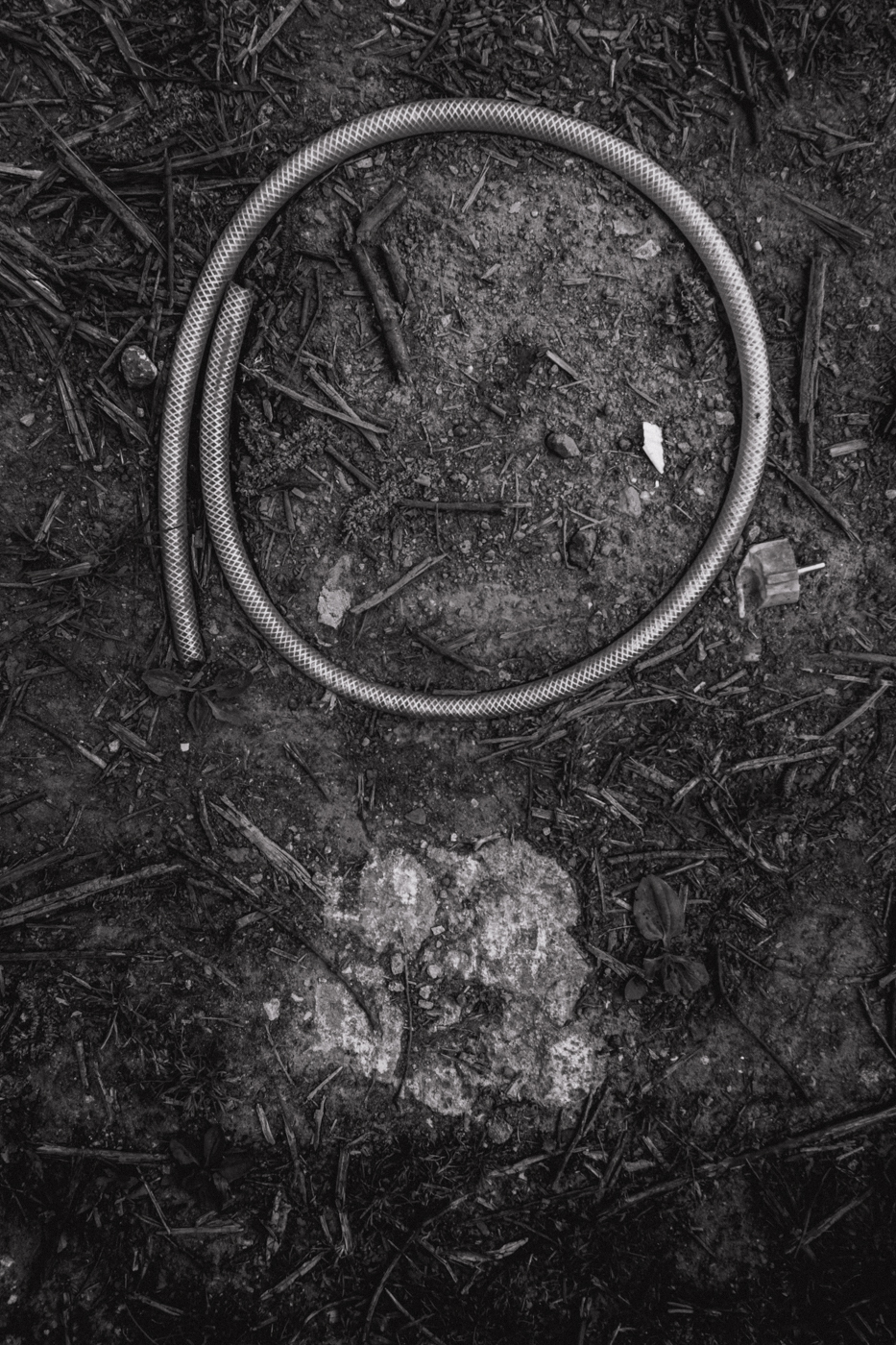
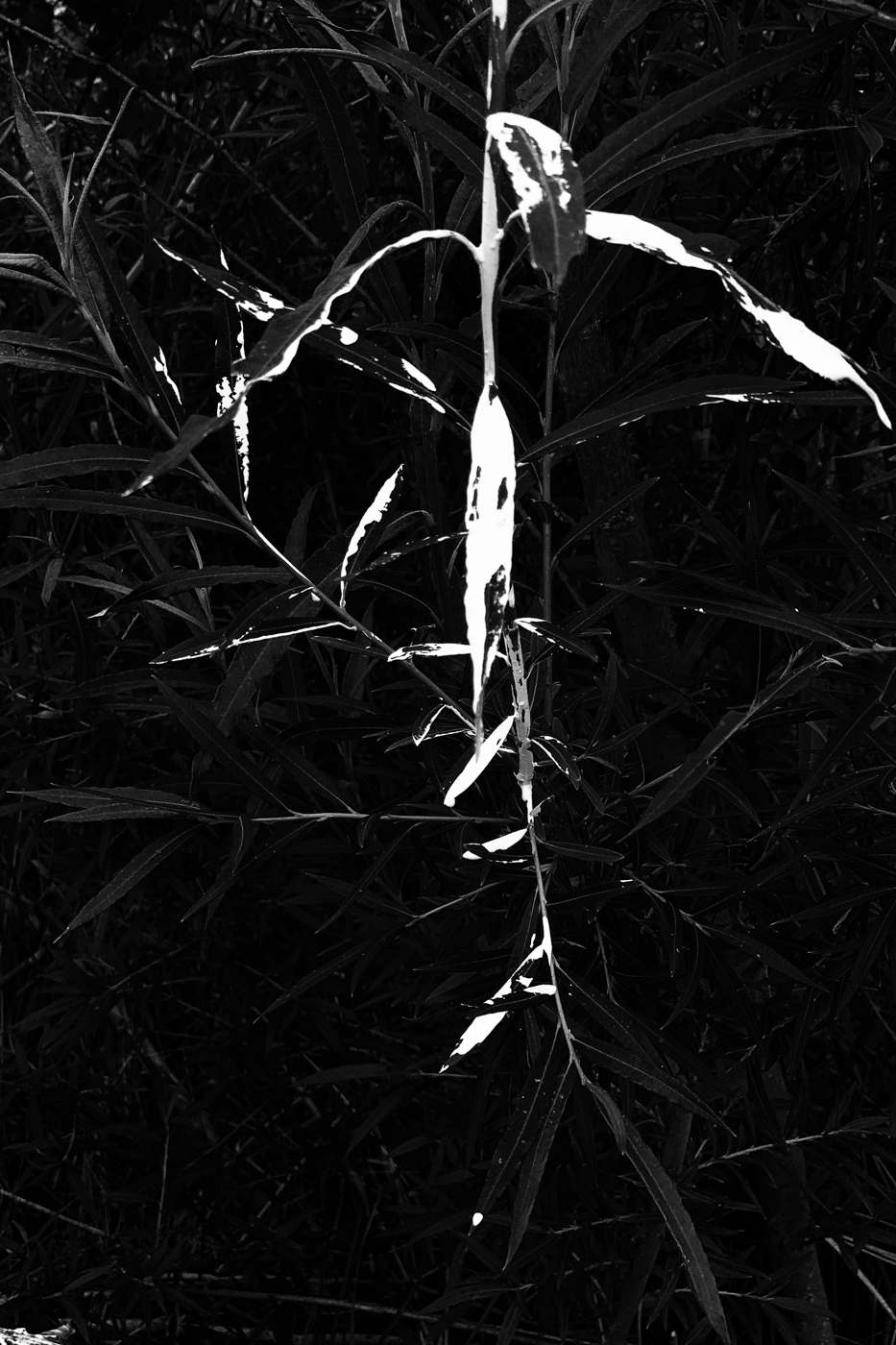
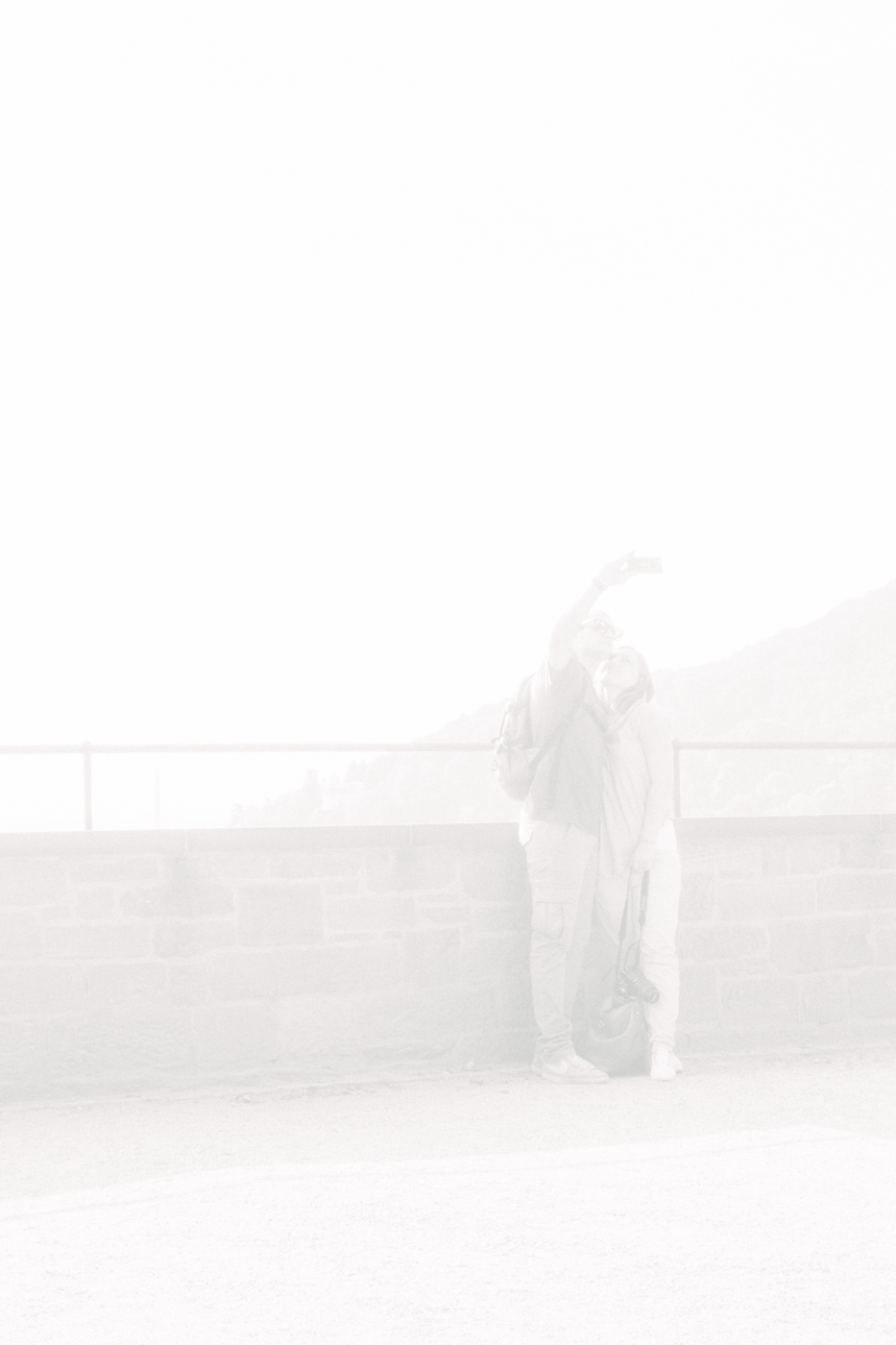
When the fabric of memory is fragile, what is it that holds it together? We have never been there, tells us our memory. We have been there, tells us the photograph. We were never that happy again after this day. What about these two people, slowly vanishing from the picture, faster vanishing from your life, where they stepped in only for a minor stint. The importance of a picture lies not what we see in the picture but in the way we connect what we see to what we assume to be outside the picture. The vanishing point of a story. Lives dropping behind the paper of a photo, disappearing between the pixels on the screen. They are not together anymore, they just stopped calling after a while. It was a fling in a summer that did not seem to end. Later, with other people, they might look back on this day and regret that they drifted apart. They married and today have two kids. He’s cheating on her. He hates his life. The way their lives unrolls out of this image into endless directions: This Faustian-Pause-Key, the “Verweile doch…” that an image represents, that lure of the lives that go through the image. The time collapsing and enclosing within its debris all possibilities.
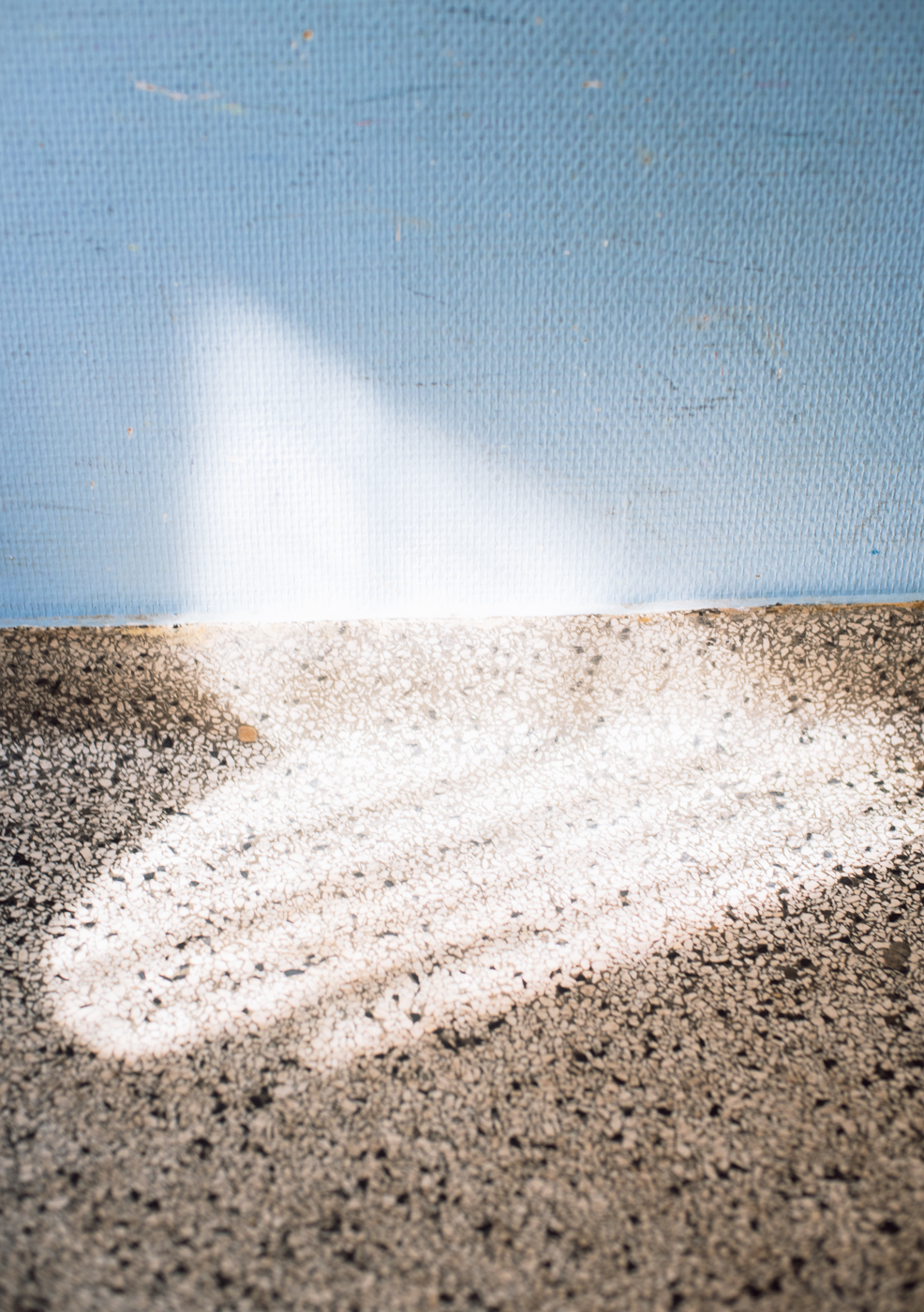
We tell ourselves stories in order to live. The princess is caged in the consulate. The man with the candy will lead the children into the sea. The naked woman on the ledge outside the sixteenth floor is a victim of accidie, or the naked woman is an exhibitionist, and it would be “interesting” to know which. We tell ourselves that it makes some difference wether the naked woman is about to commit a mortal sin or is about to register a political protest or is about to be, the Aristophanic view, snatched back to the human condition by a the fireman in priest’s clothing just visible in the window behind her, the one smiling at the telephoto lens. We look for the sermon in the suicide, for the social or the moral lesson in the murder of five. We interpret what we see, select the most workable of the multiple choices. We live entirely, especially if we are writers, by the imposition of a narrative line upon disparate images, by the “ideas” with which we have learned to freeze the shifting phantasmagoria which is our actual experience.
Or at least we do for a while.
— Joan Didion, The White Album
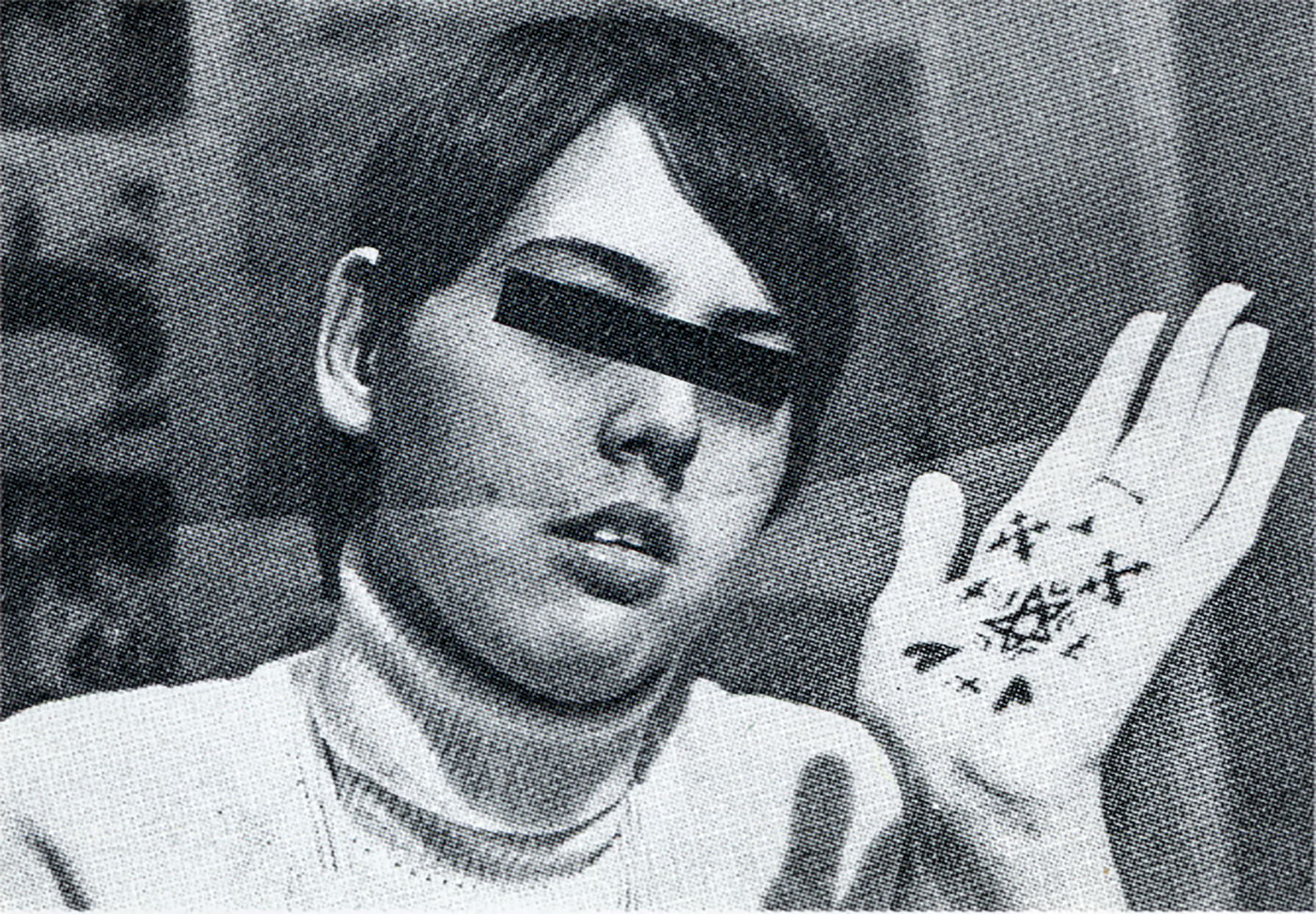
It is also Reagan’s smile – the culmination of self-satisfaction of the entire American Nation – which is on the way to become the sole principle of government. An autoprophetic smile, like all signs in advertising. Smile and others will smile back. Smile to show how transparent and candid you are. Smile if you have nothing to say. Most of all, do not hide the fact that you have nothing to say nor your total indifference to others. Let this emptiness, this profound indifference shine out spontaneously in your smile.
With this smile, Reagan obtains a much wider consensus than any that could be achieved by a Kennedy with mere reason or political intelligence. The recourse to a pure form of compliment, be it animal or infantile is much more successful and the whole American population comes together in this toothpaste effect. No idea – not even the nation’s moral values in their entirety – could ever have produced such a result. Reagan’s credibility is exactly equal to his transparency and the nullity of his smile.
— Jean Baudriallard, America
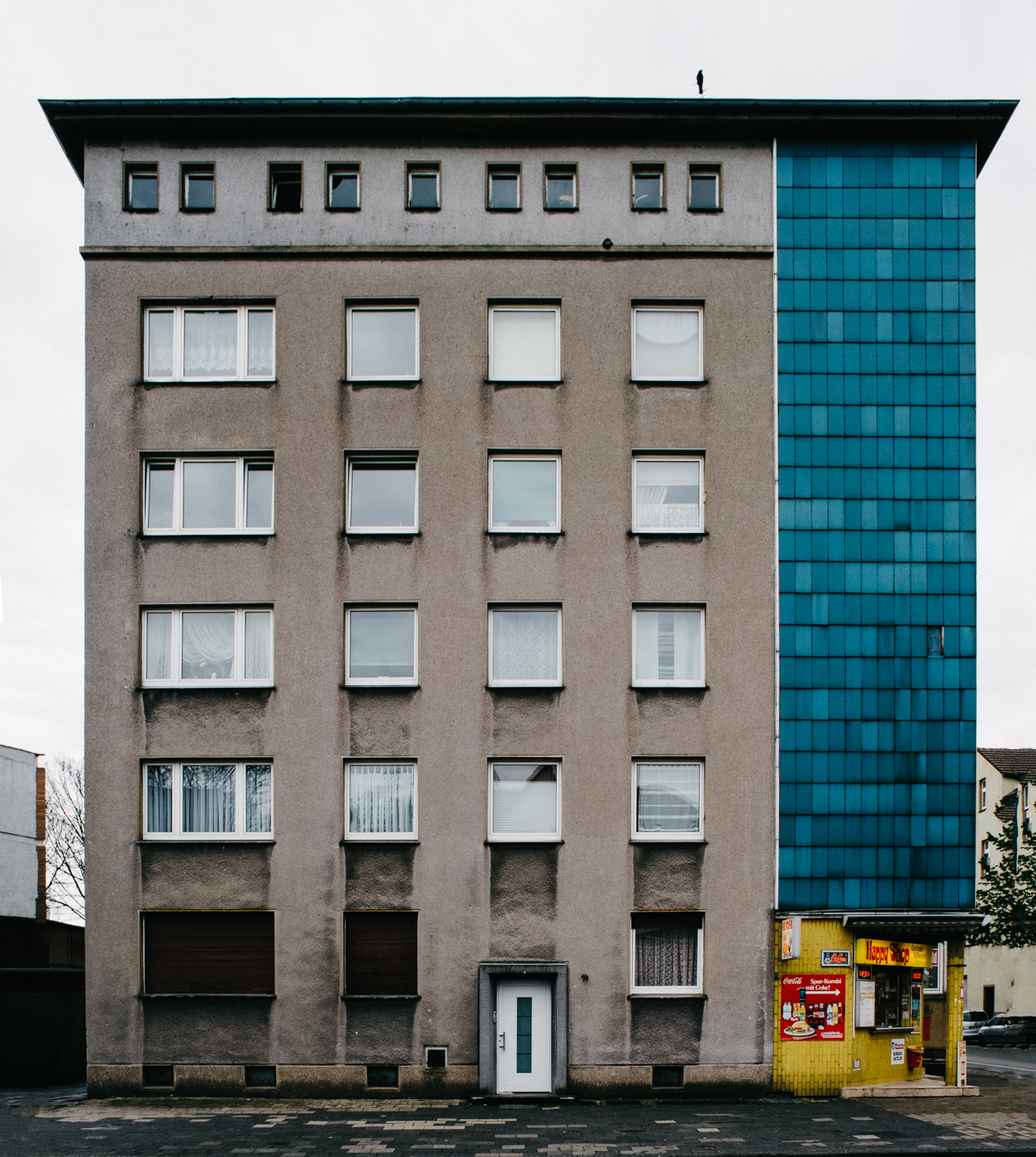
Happy Shop,Herne Wanne-Eickel, April 2017
The barriers between public and private space; the city is about points-of-view, about broken or enabled lines-of-sight, about privacy: the protection of territory (the surveillance camera), the invasion of territory; the opposition of private and public: It organizes Voyeurism. Behind a fence, it is not important what is behind it: It is important that you are barred from seeing it and you are tempted to see it.