Unser größtes Unglück: Dass wir die Tiefe des Unglücks im Herzen unseres Nächsten nicht ermessen können. Unser größtes Glück: Dass wir die Tiefe des Unglücks in unserem eigenen Herzen nicht ermessen können.
Unser größtes Unglück: Dass wir die Tiefe des Unglücks im Herzen unseres Nächsten nicht ermessen können. Unser größtes Glück: Dass wir die Tiefe des Unglücks in unserem eigenen Herzen nicht ermessen können.
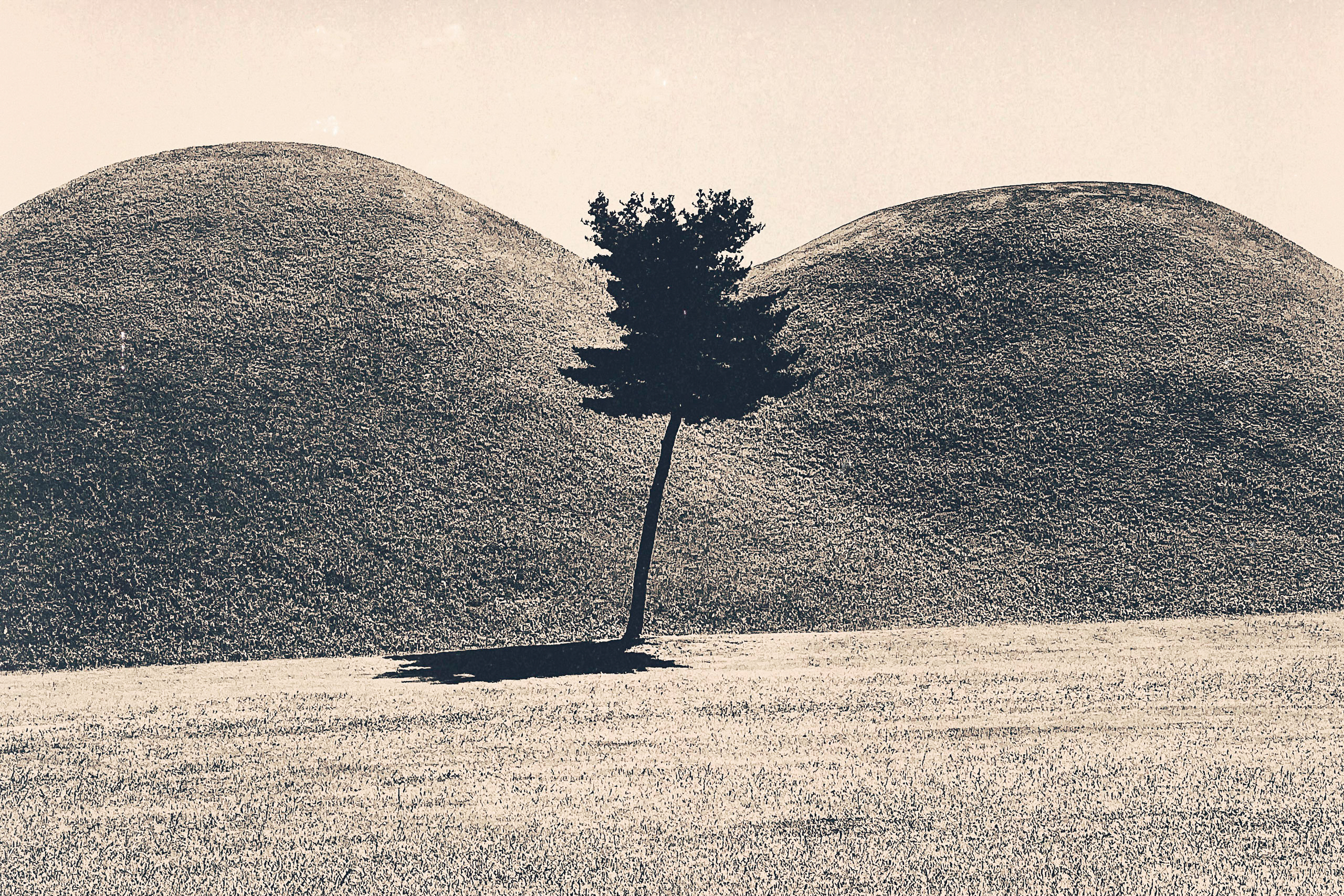
A desolate hill, littered. Forms that got on top of that slope might move on to the other side and be invisible.
— Philip Guston
Being yourself means branding your identity clearly so that algorithms can advertise to you.
— Jenny Odelll
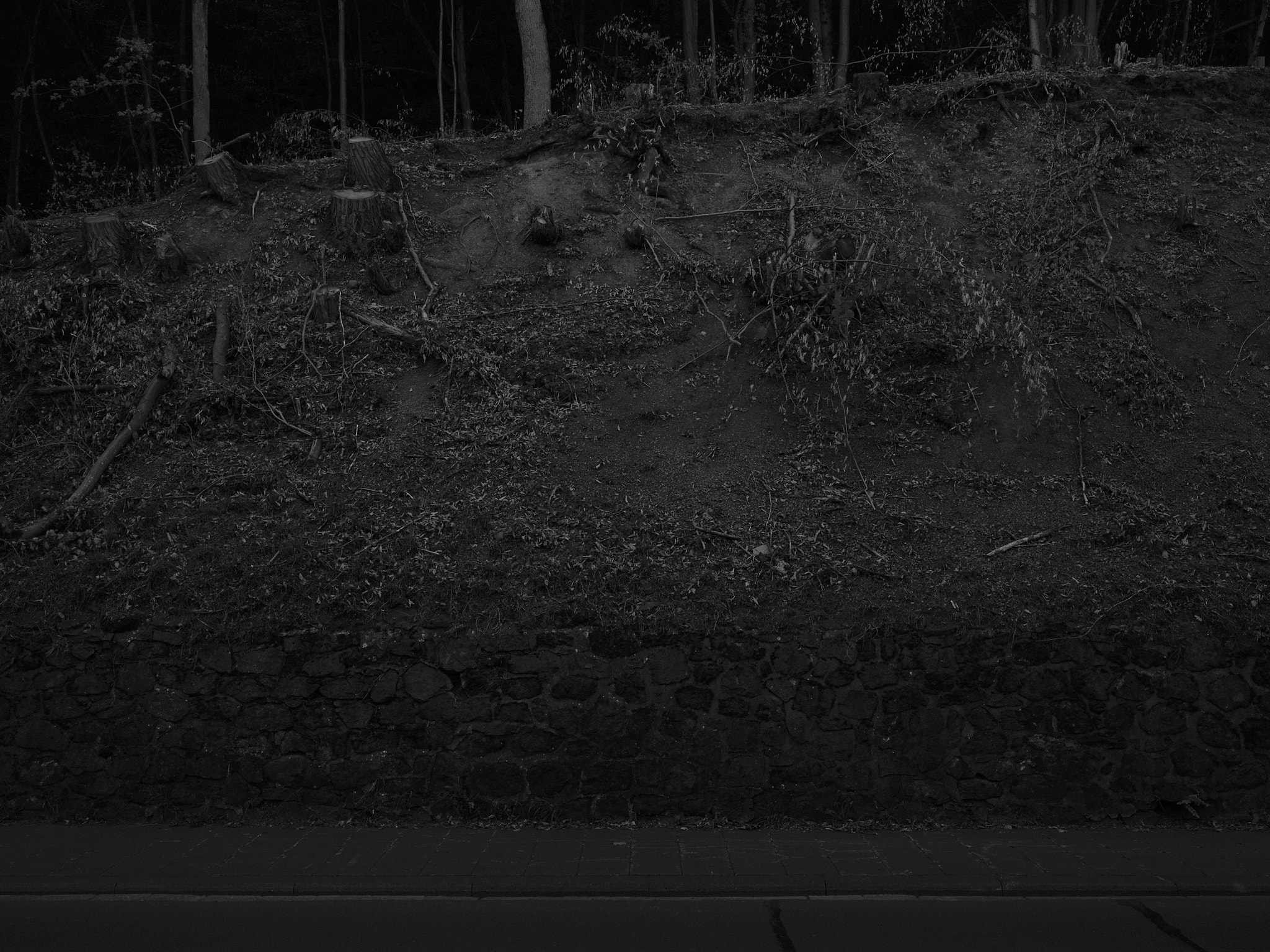
A desolate hill, littered. Forms that got on top of that slope might move on to the other side and be invisible.
— Philip Guston
Nichts ist schmerzvoller, furchteinflößender als ein sich selbst entgleitendes Denken, als fliehende Gedanken, die, kaum in Ansätzen entworfen, schon wieder verschwinden, bereits angenagt vom Vergessen oder in andere hineingestürzt, die wir ebensowenig beherrschen… Wir verlieren fortwährend unsere Gedanken. Deshalb krallen wir uns so verbissen an verfestigte Meinungen.
Doch Kunst, Wissenschaft, Philosophie fordern mehr: sie ziehen Ebenen aus dem Chaos… Als würfe man ein Netz aus – aber der Fischer wird womöglich mitgerissen und findet sich auf offener See wieder, während er sich im Hafen angelangt wähnte. Die drei Disziplinen schreiten auf unterschiedliche Weise über Krisen und Stöße voran, und es ist die Aufeinanderfolge, die in jedem einzelnen Fall die Rede vom “Fortschritte”erlaubt.
— gilles deleuze
For me it is important to have nothing in my mind at all when I’m taking photos.
— Rinko Kawauchi

PG: Sure. Well, you talk about discontent . . . I think
discontent precisely has to do with, and I guess we
must put it sort of blatantly, it has to do with the
disgust with art.
— Philip Guston, I paint what I want to see
The Second Coming
Turning and turning in the widening gyre
The falcon cannot hear the falconer;
Things fall apart; the centre cannot hold;
Mere anarchy is loosed upon the world,
The blood-dimmed tide is loosed, and everywhere
The ceremony of innocence is drowned;
The best lack all conviction, while the worst
Are full of passionate intensity.Surely some revelation is at hand;
Surely the Second Coming is at hand.
The Second Coming! Hardly are those words out
When a vast image out of Spiritus Mundi
Troubles my sight: somewhere in sands of the desert
A shape with lion body and the head of a man,
A gaze blank and pitiless as the sun,
Is moving its slow thighs, while all about it
Reel shadows of the indignant desert birds.
The darkness drops again; but now I know
That twenty centuries of stony sleep
Were vexed to nightmare by a rocking cradle,
And what rough beast, its hour come round at last,
Slouches towards Bethlehem to be born?
–WILLIAM BUTLER YEATS
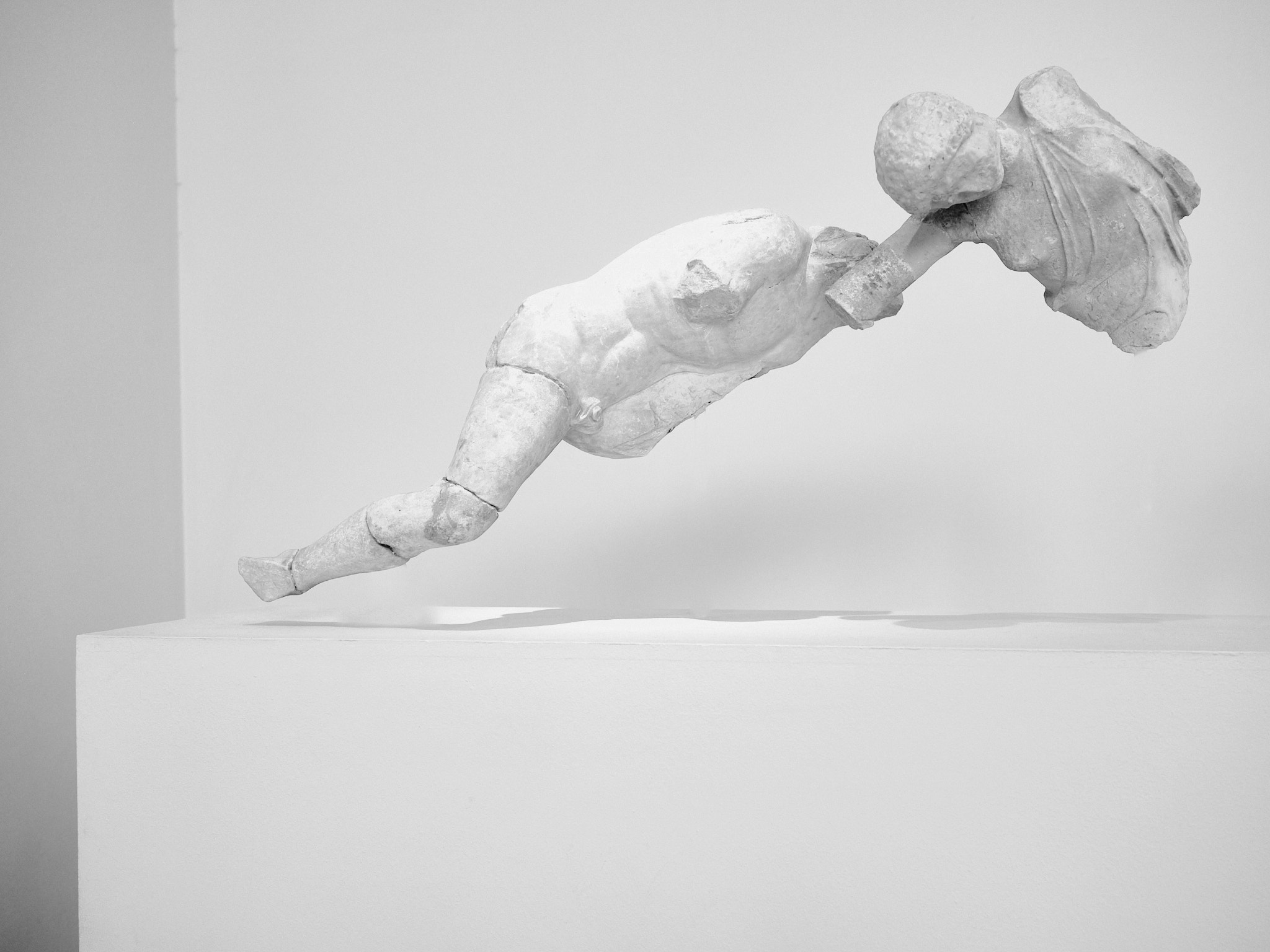
Mein Himmel, wie liebe ich Dich Annerl und Dein Kuß ist mir lieber als eine Landschaft.
— Franz Kafka, Beschreibung eines Kampfes
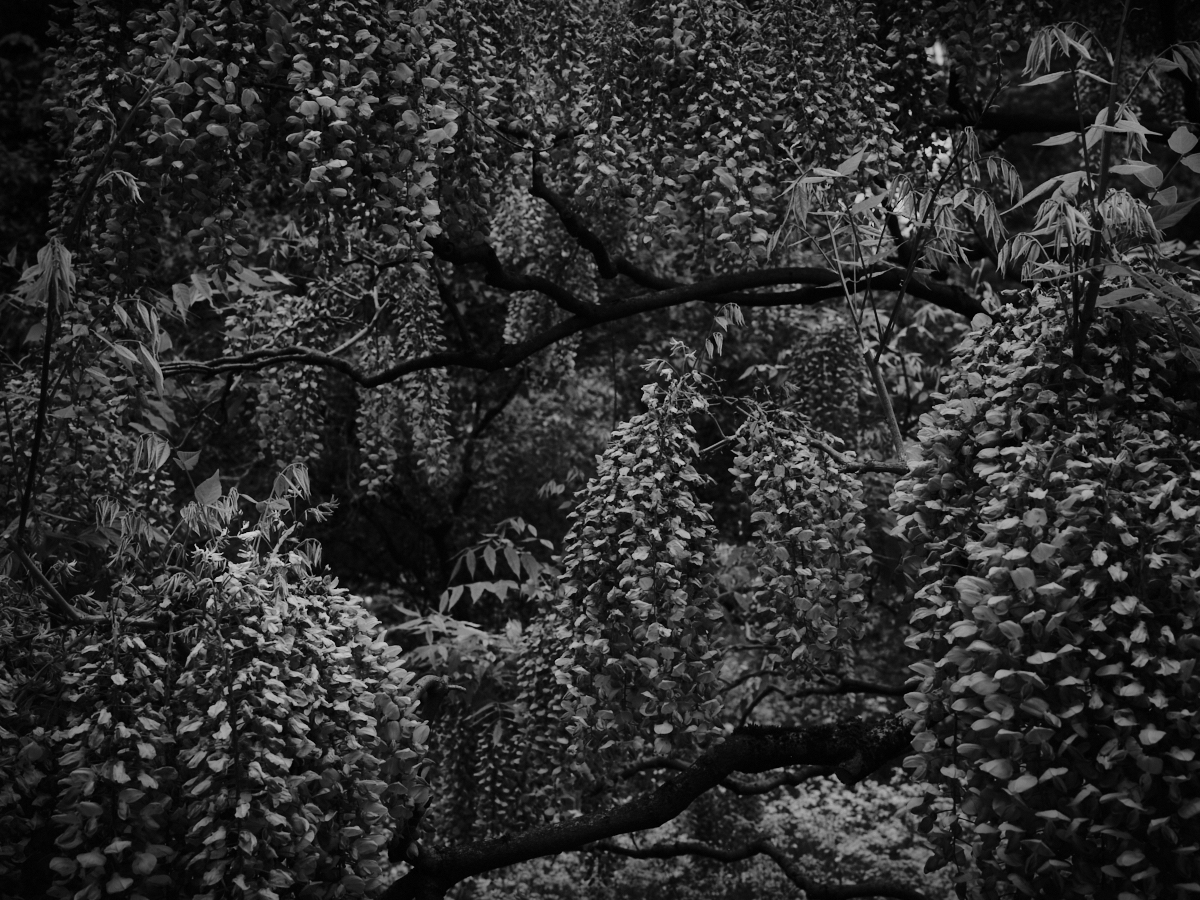
this is how we see the world
you don’t know where a picture begins and where a picture ends
“I wanted to pull out everything that was nameable in my work and have people look at fragments of both paint and images coming together—filtering together—and then falling apart.”
not representing something else
–sarah sze