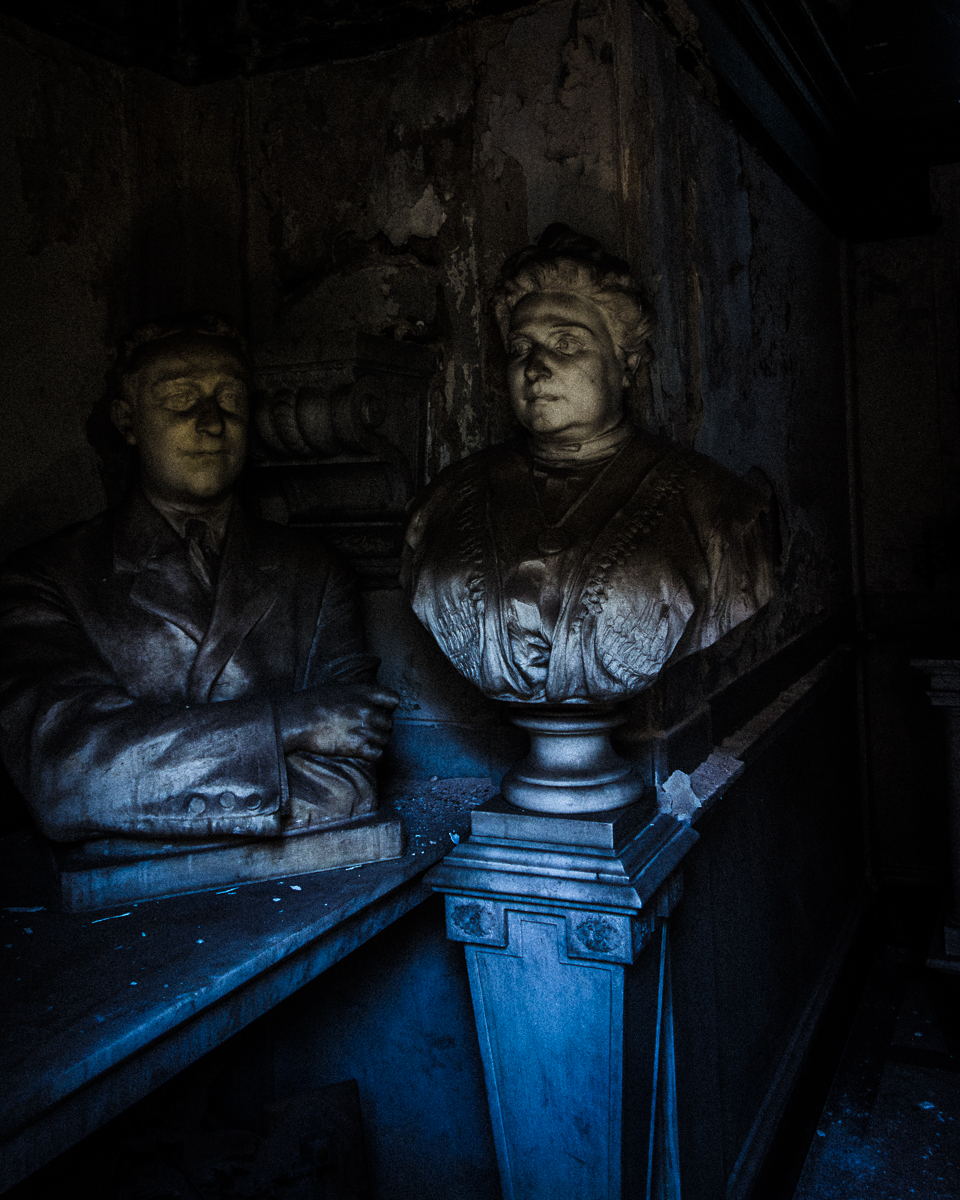
das Haus
die Tür
die Wiese.
Der Boden, wie sah der Boden aus? Beton, einfacher Waschbeton, wie man ihn in einem Keller findet.
Reconquista.
Das Wetter.
Schönes Wetter heute, nicht? Zu kalt für meinen Geschmack.
Der Abstellraum. Was finden wir in diesem Abstellraum?
Der Geschmack von Blut (er hatte sich auf die Zunge gebissen, als er zu schnell in das Zimmer gestürmt war und ihm jemand entgegen kam.)
Neun.
Acht.
Sieben.
Sechs.
Fünf.
Sie fühlen sich gut oder sie fühlen überhaupt nichts. Zumindest fühlen Sie sich nicht schlecht, nicht unangenehm, nur eine leichte, aber hartnäckige Müdigkeit, die wie ein Schleier über allem liegt, die Ding bewegen sich verlangsamt, wie unter Wasser; etwas, das plötzlich vor dir aufgetaucht ist, du weisst nicht woher, so als hättest Du für einen Moment nicht aufgepasst, aber das stimmt nicht, du hast in den Raum hinein gestarrt und hättest schwören können, da ist nichts und nichts kam dort durch.
Vier.
Warm.
kalt. Wie ich sagte: Zu kalt für die Jahreszeit, ein zu frühes Tiefdruckgebiet, das Wolken in das Tal gedrückt hat und es regnete für Tage am Stück.
Drei.
Nicht kalt, nicht warm. Die Heizung ist ausgefallen, bzw. es gab überhaupt keine Heizung in dieser Wohnung. Aber einen schönen Holzfussboden und aus dem Fenster sah man in einen Hinterhof.
Das Glück. “Das ist mein Glück gewesen.” Aber es war kein Glück, es war nur ein Zufall, ein Unachtsamkeit des Schicksals, dem er durch die Lappen gerutscht war. Für den Moment.
Er atmete schwer, etwas saß auf seiner Brust, aber er konnte den Kopf nicht so drehen, dass er es sehen konnte.
Der Feuerdämon.
Der blutige Hammer.
Der Hund mit den zwei Köpfen.
Die Stadt der bösen Träume
Zwei. und Du wirst ausgeruht erwachen und dich an nichts erinnern. Dich an nichts erinnern. So, als wäret du nicht da gewesen.
“Ich war nicht da, ich hab’s verpasst. Bin zu spät gekommen, ich hab verschlafen, ich komme neuerdings schlecht aus dem Bett, das ist sonst gar nicht meine Art.”
Was ist denn deine Art?
Von welcher Art bis Du denn?
Gibt es jemanden so wie dich?
Oder bist Du nur deine Erfindung?
Wann hörte er auf, sich für irgend etwas zu interessieren?
“Ich bin von dort nicht wieder gekehrt. Natürlich, ich stehe hier vor Ihnen, sie können mich anfassen, ich begreife auch, dass ich da bin, ich sehe diese Tisch, ich sitze auf diesem Stuhl. Aber ich bin nicht da. Ich bin dort geblieben. Es ist selbstverständlich.”
Es bedarf keiner weiteren Erklärung. Wir sind nicht zum Spaß hier.
Wenn nicht zum Spaß, warum dann?
Ich habe mit ihm geredet, aber er hört nicht zu. Er hat mir noch nie zugehört.
(ihr Haar. Er ließ kein gutes Haar an ihr. (nämlich? Er riss ihr all Haare aus, bis die Büschel um sie herum lagen und sie wie ein zerzaustes Küken aussah.)
Sie verkroch sich darin, sie hoffte, er würde sie nicht entdecken. Das passiert in Filmen nicht. Das nichts passiert in dem Film, dass die Dinge einfach vorbei gehen. “Aber so war es. Wenn ich es Ihnen sage. Nichts dergleichen war geschehen, kein Blutbad, nicht einmal ein Unfall, die Leute gingen auseinander und sprachen nie wieder ein Wort davon.”
Fertig?
Aus der Hölle.
7184
Nicht dahin schauen.
Wie waren die Wände? Weiß. Kahl. Ein Blümchentapete, eingerissen unten an der Fußleiste, fleckig und gesteift von den Dingen, die daran entlang geratscht waren (ein roter Stuhl, den jemand bei einem Uzug unachtsam getragen hatte, die Ecke eines Tisches hatte einen Winkel in eine der Wändet geschlagen, darunter sah man den Putz. Fäden von Staub und Spinnweben hingen in den Ecken des Flurs.
“Die Treppe müsste mal gemacht werden.”
Eins. Und du bist wach.
 I personally don’t know where we are heading. The only thing that’s clear to me is that I intend to destroy, destroy everything that exists in painting. I have an utter contempt for painting. The only thing that interests me is the spirit itself, and I only use the customary artist’s tools – brushes, canvas, paints – in order to strike more precisely. The only reason I abide by the rules of pictorial art is because they’re essential for expressing what I feel, just as grammar is essential for expressing yourself.
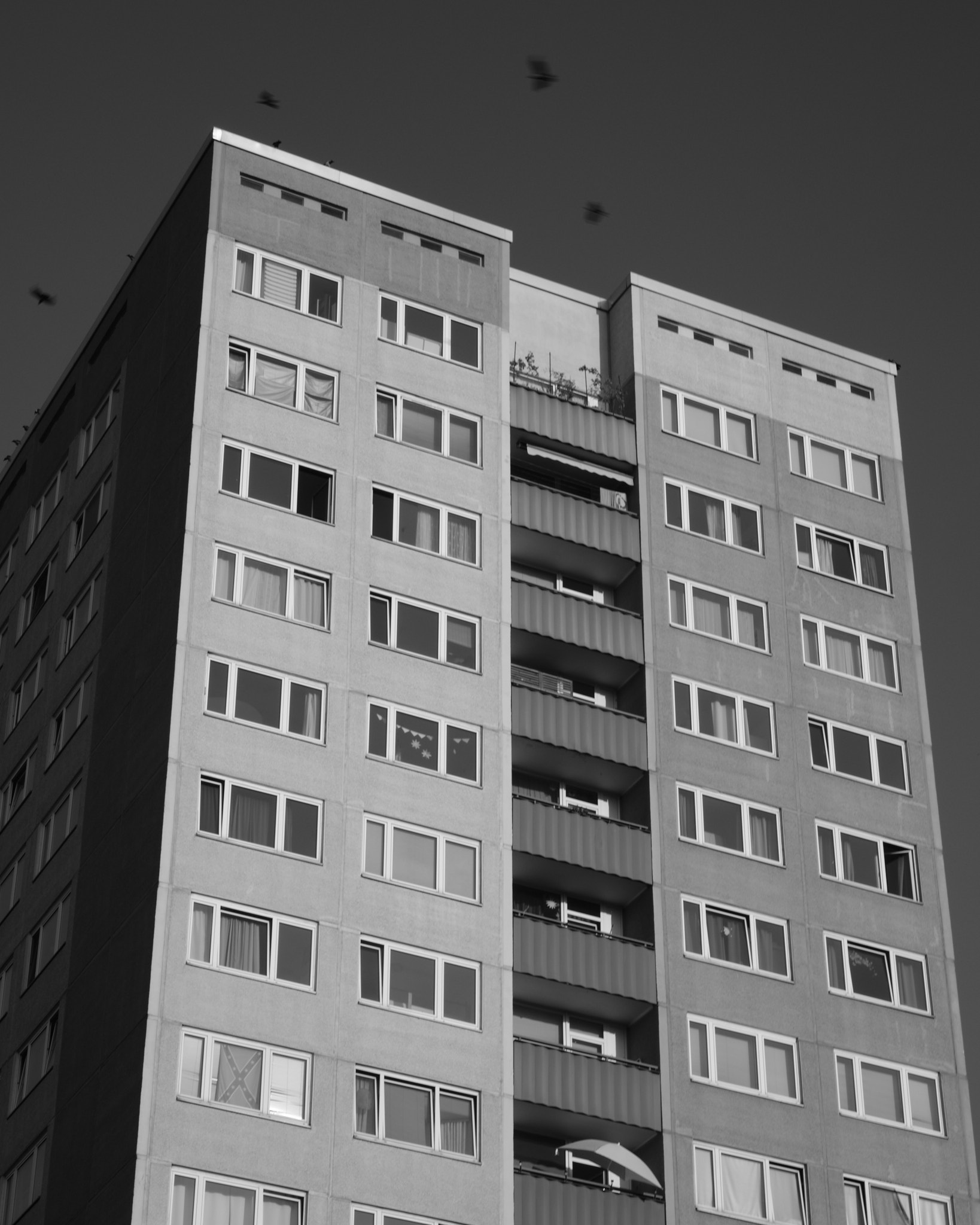 Über dir und vor dir ist es freilich leer und öde, weil es in dir leer und öd ist.
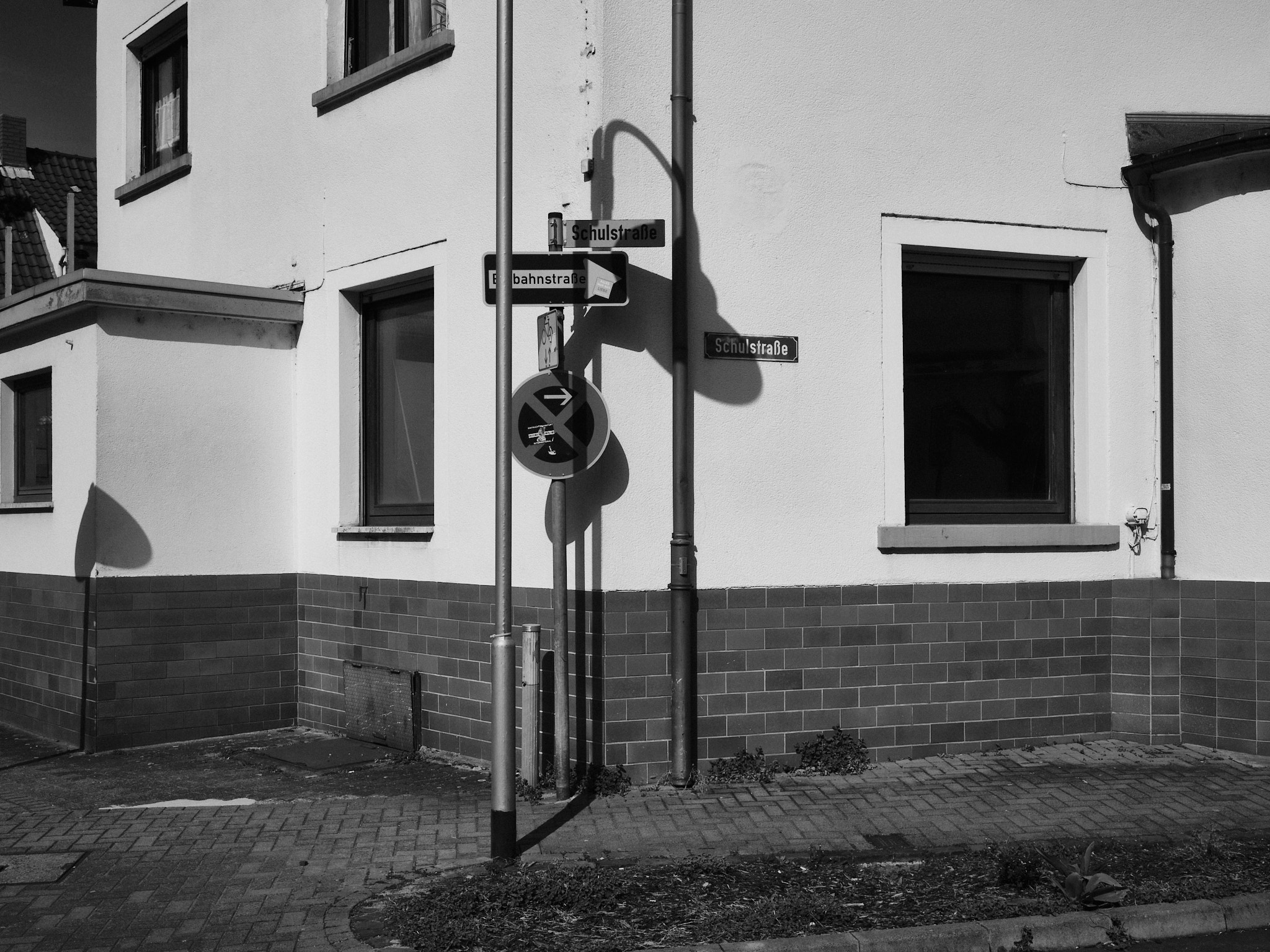
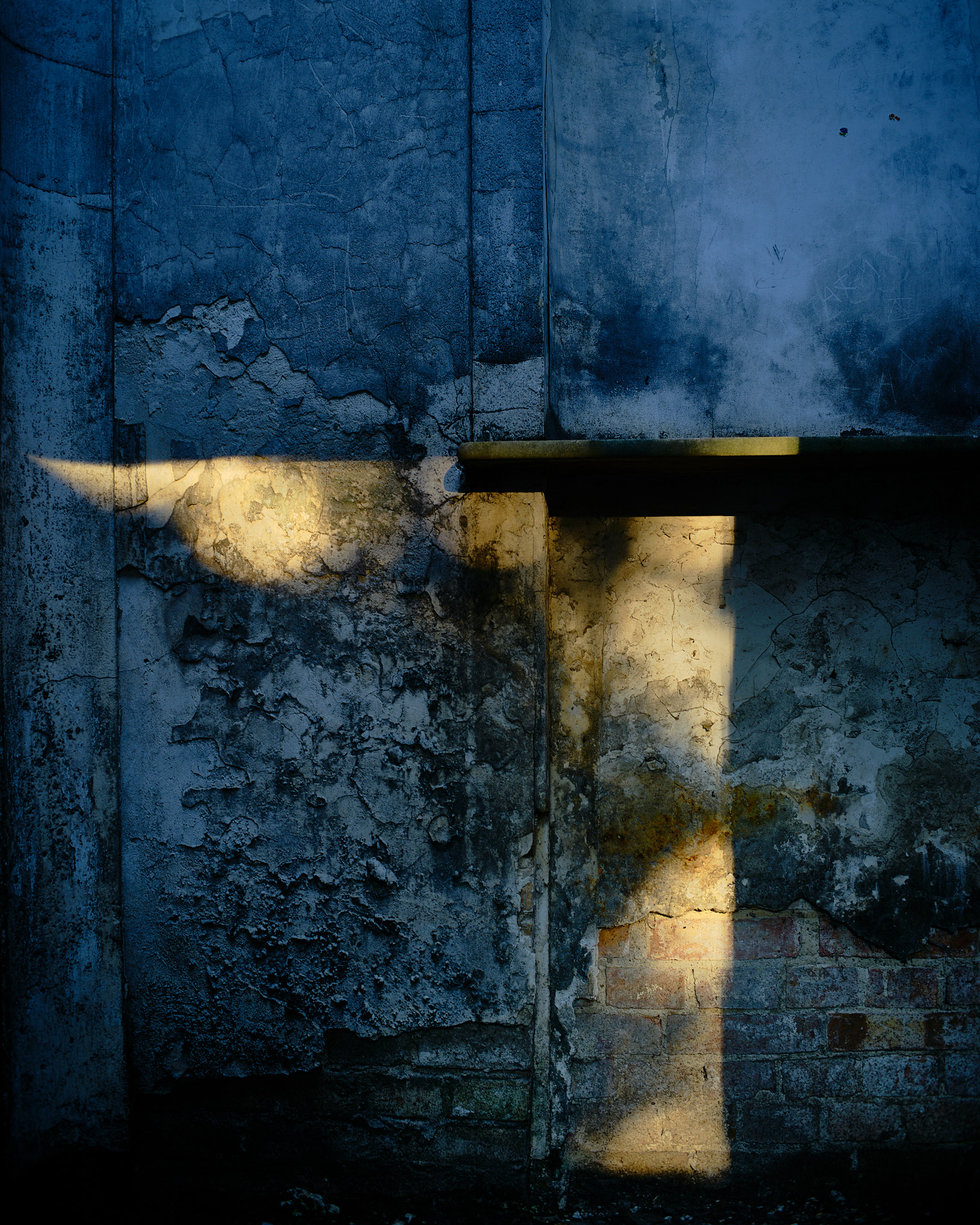 Shadows, the ‘sign of true bodies’ as Hans Belting writes, of course saturate the photographic space: as much as with light, photographs are made with shadows, to such an extent, that William Fox Talbot, one of the pionneers of photography, hesitated between this name and skiagraphy, ‘shadow painting’.