
Three of Cups
j j j

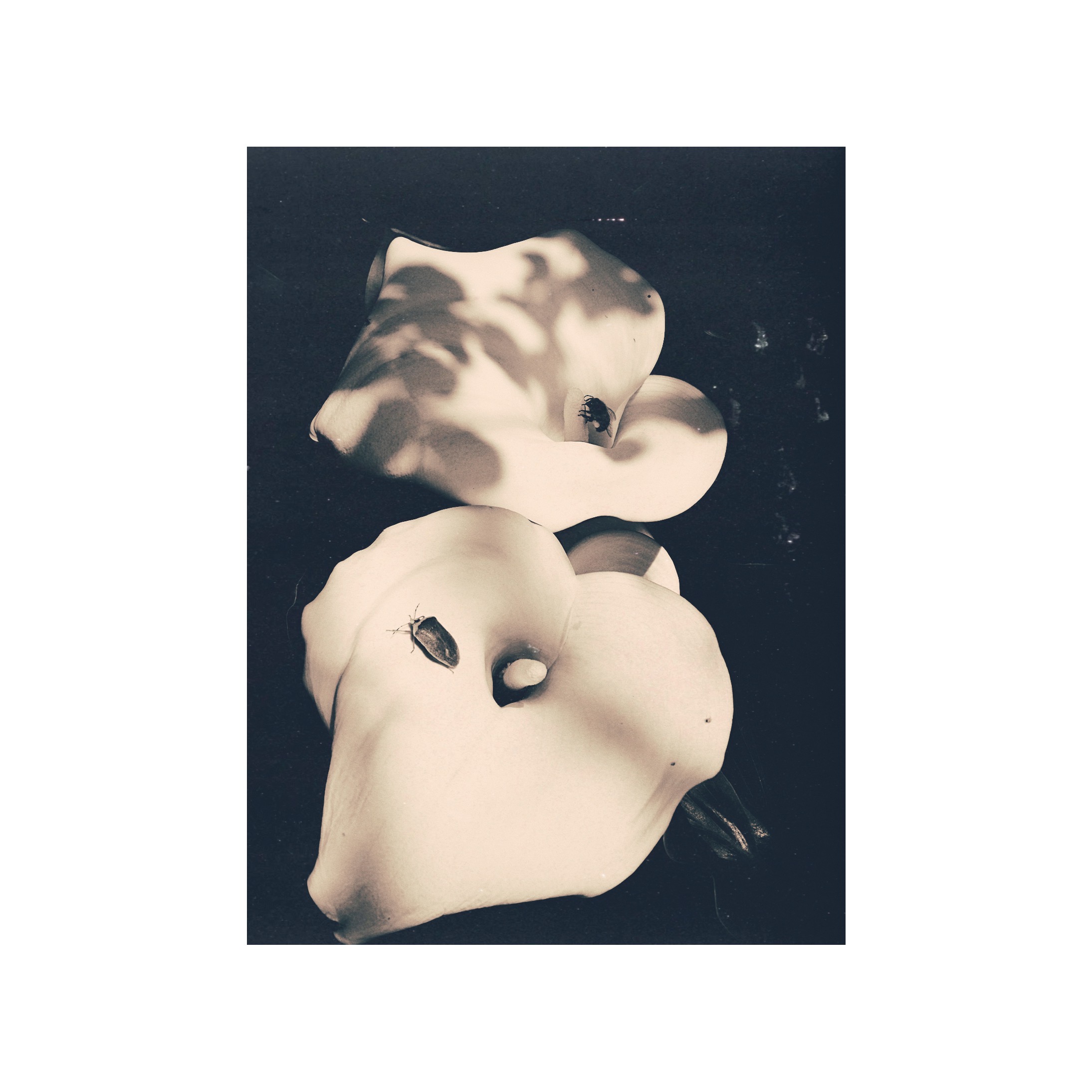
Crete, April 2023
“We were a heap of living creatures, irritated, embarrassed at ourselves, we hadn’t the slightest reason to be there, none of us; each one, confused, vaguely alarmed, felt de trop in relation to the others. De trop: it was the only relationship I could esta lish between these trees, these gates, these stones. In vain I tried to count the chestnut trees, to locate them by their relationship to the Velleda, to compare their height with the height of the plain trees: each of them escaped the relationship in which I tried to enclose it, isolated itself and overflowed.. -And I-soft, weak, obscene, digesting, juggling with dismal thoughts-I, too, was de trop…. Even my death would have been de trop. De trop, my corpse, my blood on these stones, between these plants, at the back of the smiling garden. And the decomposed flesh would have been de trop in the earth which would receive my bones, at last; cleaned, stripped, peeled, proper and clean as teeth, it would have been de trop: I was de trop for eternity.”
— Sartre, La Nausée. Paris: Gallimard. 1938
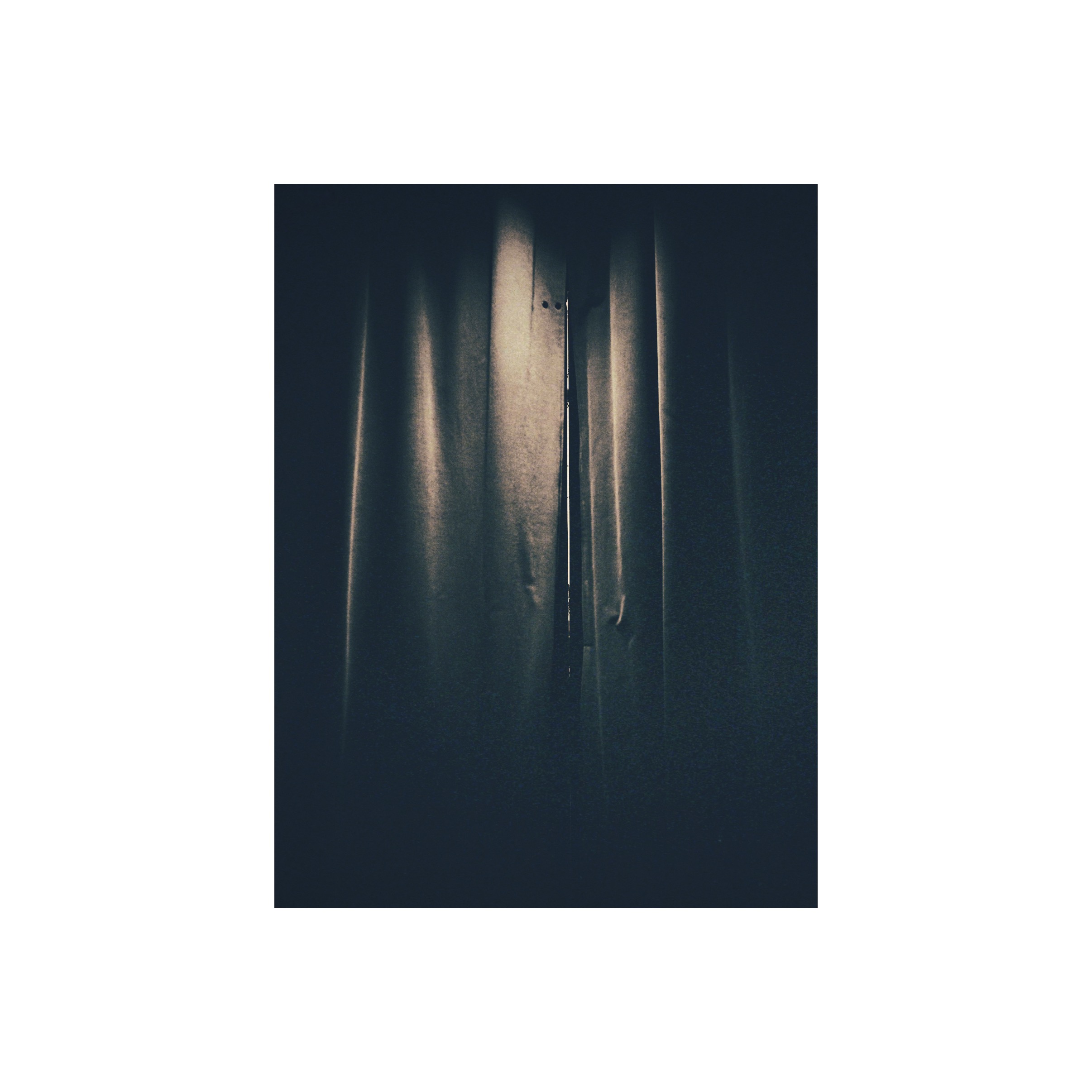
Warsaw, May 2022
[Modern art has to do with …] taking things apart and exposing. And traditional art , the art of the past, is a hidden art. And it could be that, temperamentally, the source of my difficulty here, if it is a difficulty, is a constant pulling, veering, between exposing and hiding.
— Philip Guston, I paint what I want to see
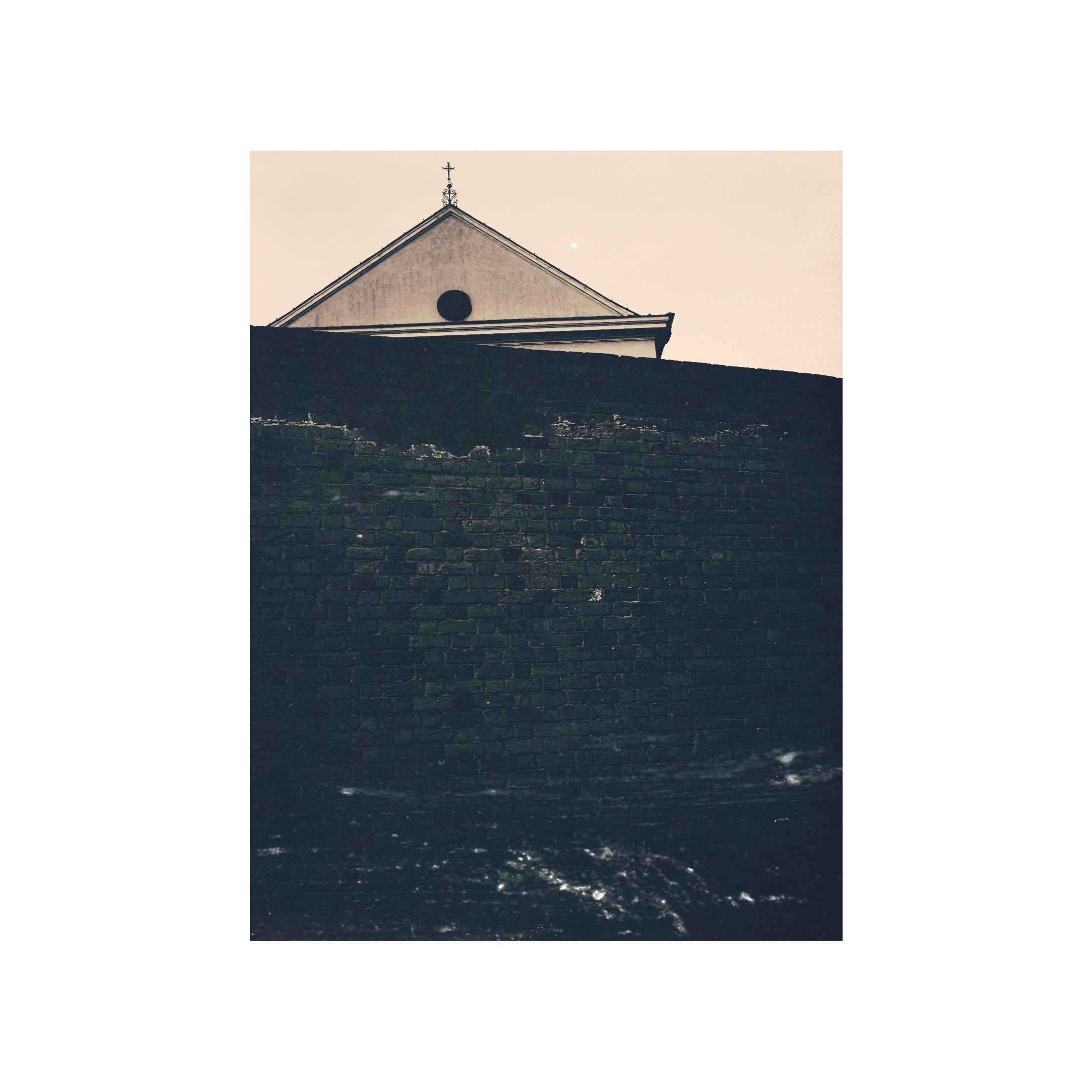
Warsaw, May 2023
. . . the workshop with its song and chatter; Chimneys and spires, those masts of the city, And the great skies making us dream of eternity.
— Charles Baudelaire, Tableaux Parisienne
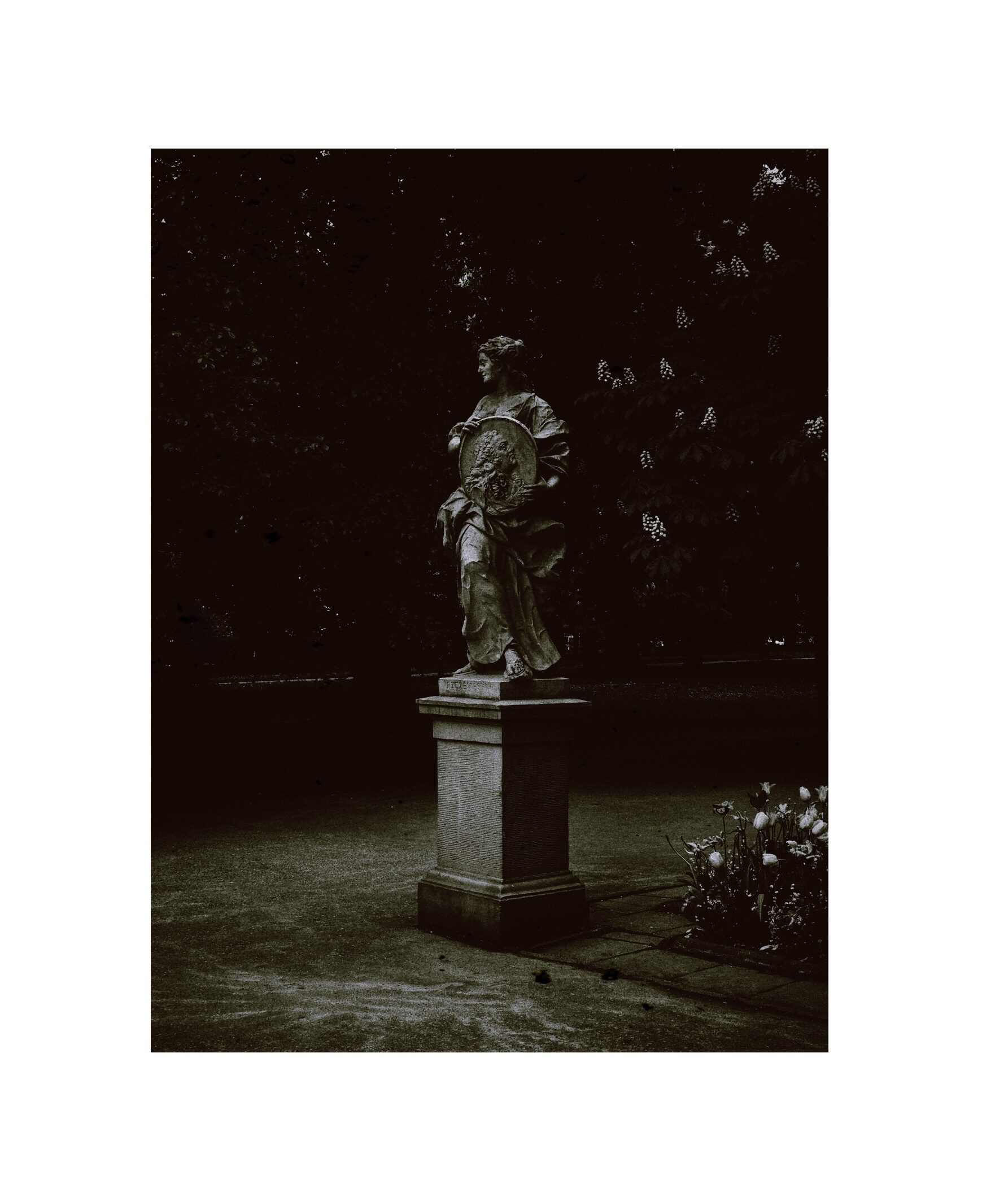
the photograph produces the past.
you cannot rescue photography out of the imperial project
ariella azoulay — the civil contract of photography
“Open the so-called body and spread out all its surfaces: not only the skin with each of its folds, wrinkles, scars, with its great velvety planes, and contiguous to that, the scalp and its mane of hair, the tender pubic fur, nipples, nails, hard transparent skin under the heel, the light frills of the eyelids, set with lashes – but open and spread, expose the labia majora, so also the labia minora with their blue network bathed in mucus, dilate the diaphragm of the anal sphincter, longitudinally cut and flatten out the black conduit of the rectum, then the colon, then the caecum, now a ribbon with its surface all striated and polluted with shit ; as though your dress maker’ s scissors were opening the leg of an old pair of trousers, go on, expose the small intestines’ alleged interior, the jejunum, the ileum, the duodenum, or else, at the other end, undo the mouth at its corners, pull out the tongue at its most distant roots and split it, spread out the bats’ wings of the palate and its damp basements, open the trachea and make it the skeleton of a boat under construction; armed with scalpels and tweezers, dismantle and lay out the bundles and bodies of the encephalon; and then the whole network of veins and arteries, intact, on an immense mattress, and then the lymphatic network, and the fine bony pieces of the wrist, the ankle, take them apart and put them end to end with all the layers of nerve tissue which surround the aqueous humours and the cavernous body of the penis, and extract the great muscles, the great dorsal nets, spread them out like smooth sleeping dolphins. Work as the sun does when you’re sunbathing or taking grass.”
― Jean-François Lyotard, Libidinal Economy
“Open the so-called body and spread out all its surfaces: not only the skin with each of its folds, wrinkles, scars, with its great velvety planes, and contiguous to that, the scalp and its mane of hair, the tender pubic fur, nipples, nails, hard transparent skin under the heel, the light frills of the eyelids, set with lashes – but open and spread, expose the labia majora, so also the labia minora with their blue network bathed in mucus, dilate the diaphragm of the anal sphincter, longitudinally cut and flatten out the black conduit of the rectum, then the colon, then the caecum, now a ribbon with its surface all striated and polluted with shit ; as though your dress maker’ s scissors were opening the leg of an old pair of trousers, go on, expose the small intestines’ alleged interior, the jejunum, the ileum, the duodenum, or else, at the other end, undo the mouth at its corners, pull out the tongue at its most distant roots and split it, spread out the bats’ wings of the palate and its damp basements, open the trachea and make it the skeleton of a boat under construction; armed with scalpels and tweezers, dismantle and lay out the bundles and bodies of the encephalon; and then the whole network of veins and arteries, intact, on an immense mattress, and then the lymphatic network, and the fine bony pieces of the wrist, the ankle, take them apart and put them end to end with all the layers of nerve tissue which surround the aqueous humours and the cavernous body of the penis, and extract the great muscles, the great dorsal nets, spread them out like smooth sleeping dolphins. Work as the sun does when you’re sunbathing or taking grass.”
― Jean-François Lyotard, Libidinal Economy
“The photographer is an armed version of the solitary walker reconnoitering, stalking, cruising the urban inferno, the voyeuristic stroller who discovers the city as a landscape of voluptuous extremes. Adept of the joys of watching, connoisseur of empathy, the flâneur finds the world ‘picturesque.”
— Susan Sontag, On Photography
Wir schwelgen, begann nun Alabanda wieder, wir töten im Rausche die Zeit.
— Hölderlin, Hyperion