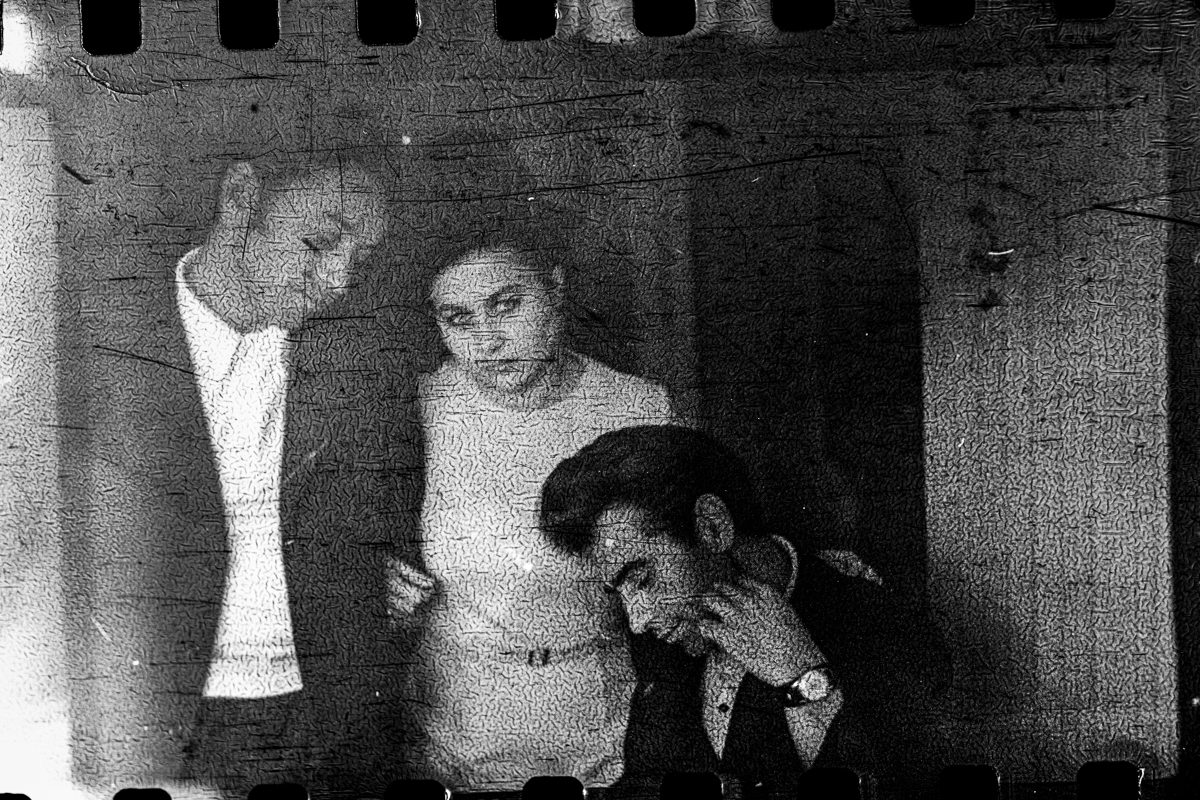
unrequited love is a bore
–jack kerouac in Pull My Daisy from Robert Frank, 1959)
unrequited love is a bore
–jack kerouac in Pull My Daisy from Robert Frank, 1959)
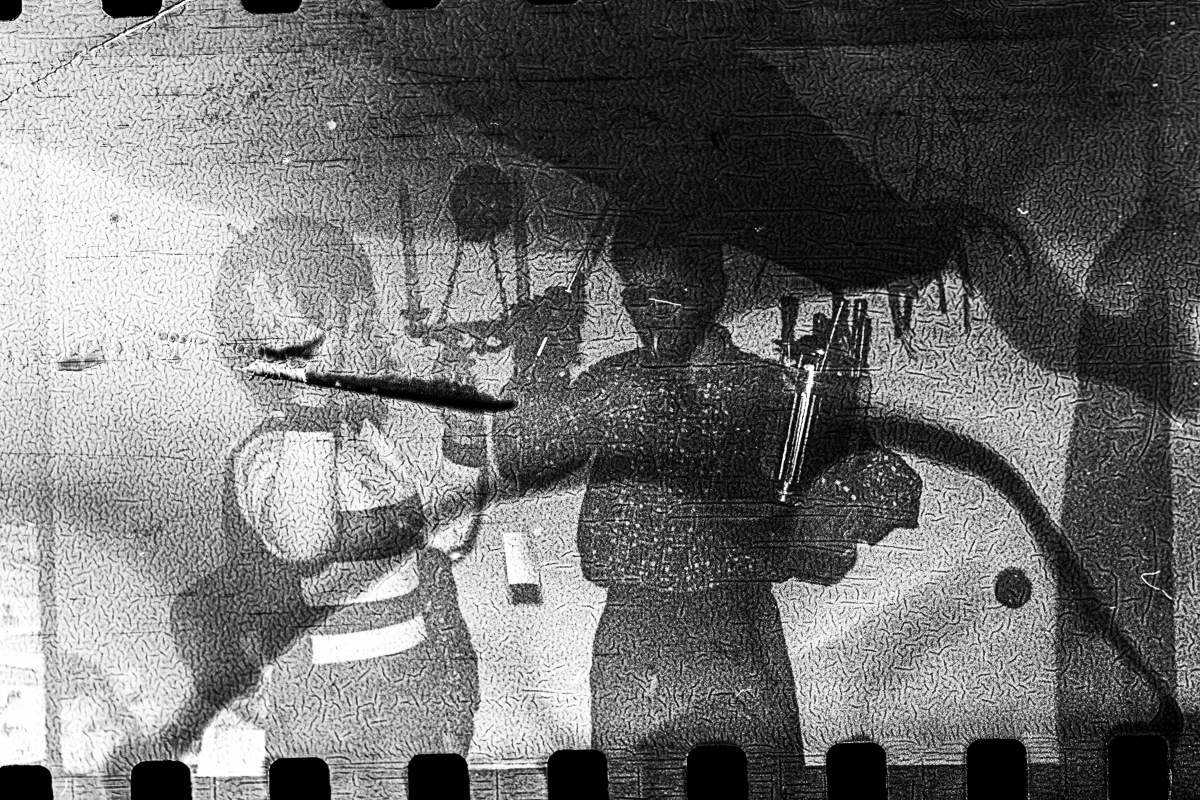
St. Petersbury,, found September 2019
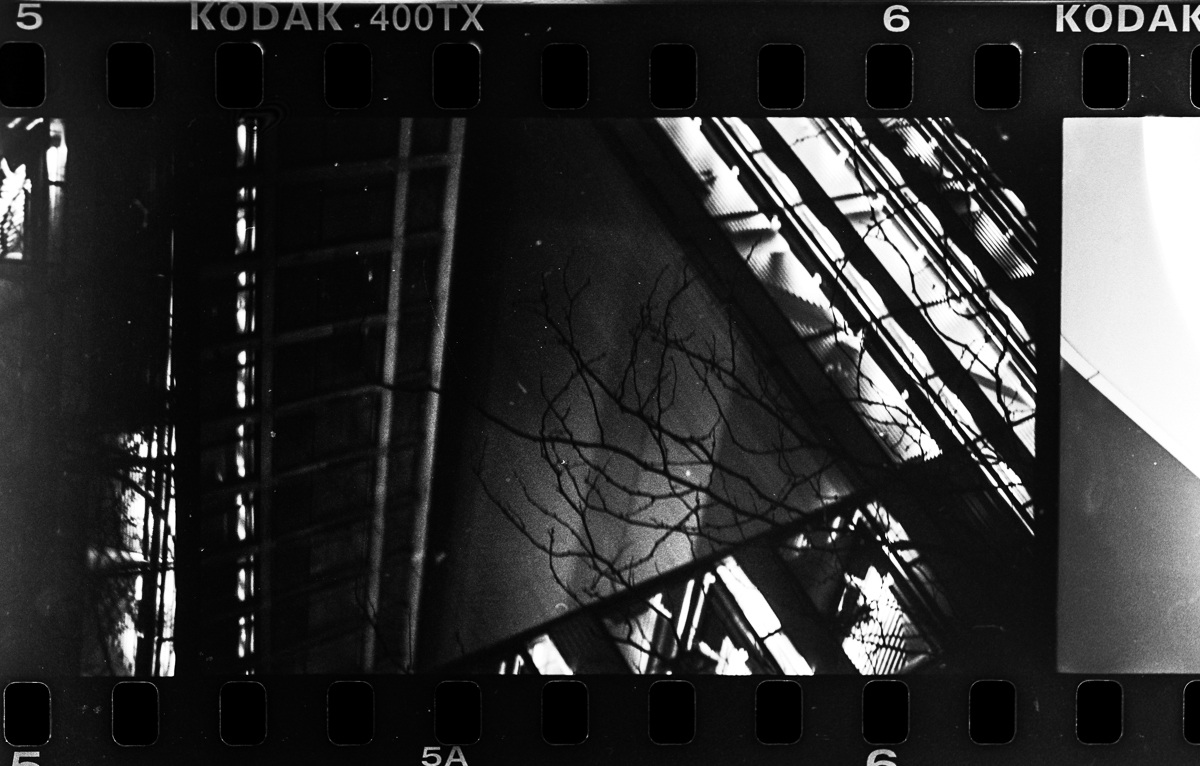
In my house, I changed the time: Now the hours no longer add up to a whole day.
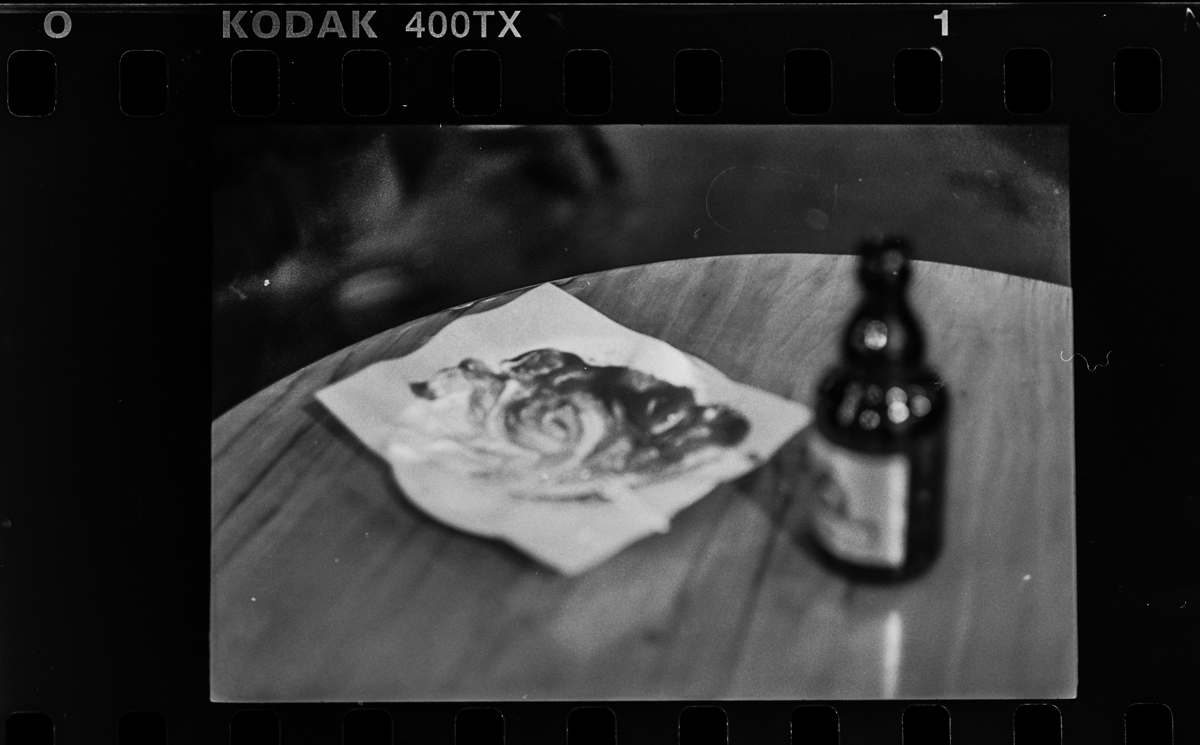
Eat Berlin, Februar 2019
A capitalist society requires a culture based on images. It needs to furnish vast amounts of entertainment in order to stimulate buying and anesthetize the injuries of class, race, and sex. And it needs to gather unlimited amounts of information, the better to exploit natural resources, increase productivity, keep order, make war, give jobs to bureaucrats. The camera’s twin capacities, to subjectivize reality and to objectify it, ideally serve these needs and strengthen them. Cameras define reality in the two ways essential to the workings of an advanced industrial society: as a spectacle (for masses) and as an object of surveillance (for rulers).
— Susan sontag, the image world 1973
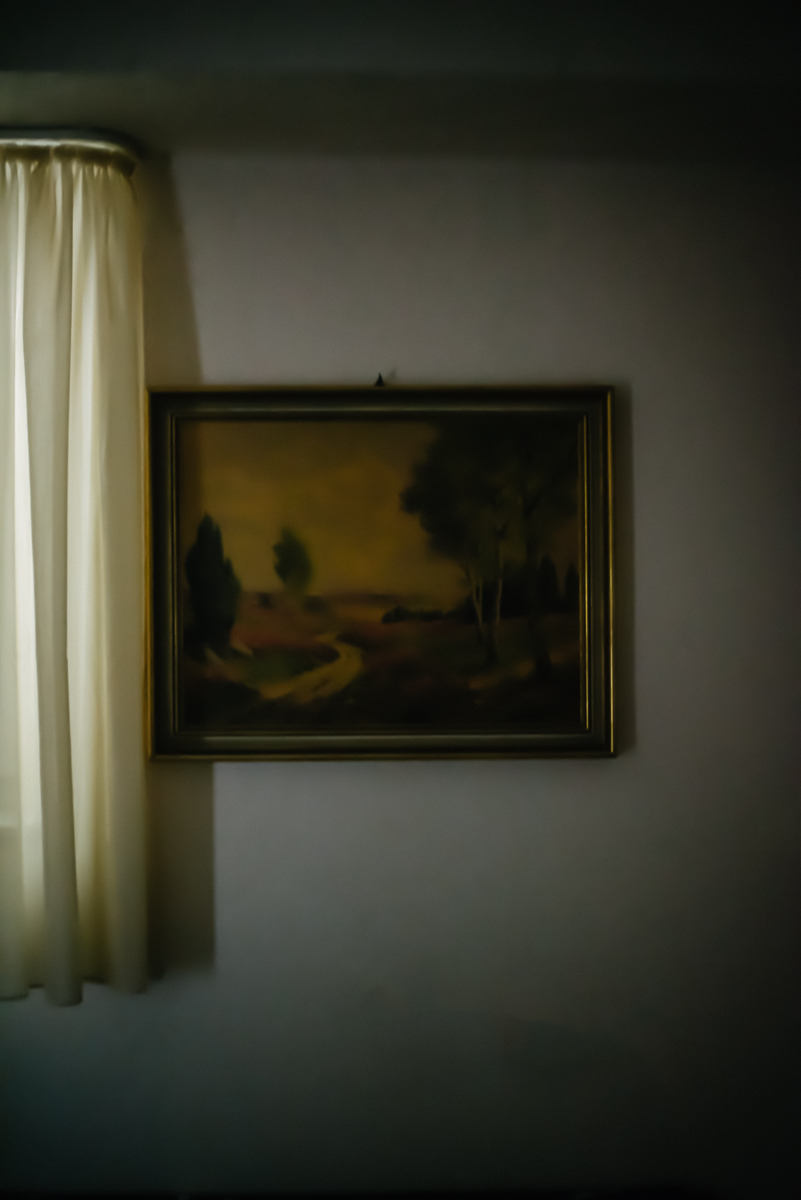
There were ants in the bathroom. They came crawling out of the gutters and cracks in the walls, probing searching, forming roads along the tiles of the floor. He slept wide into the open day. When he woke, all frights walked in the blazing sun without their clothes.
In the lobby an islam preacher, white robe and beard, the staff of a pilgrim;
A guy making humming, whistling noises and flipping pencils with his fingers, two in each hand, very quickly, eyes turned upward, staring at the ceiling.
Distant land, the clock.
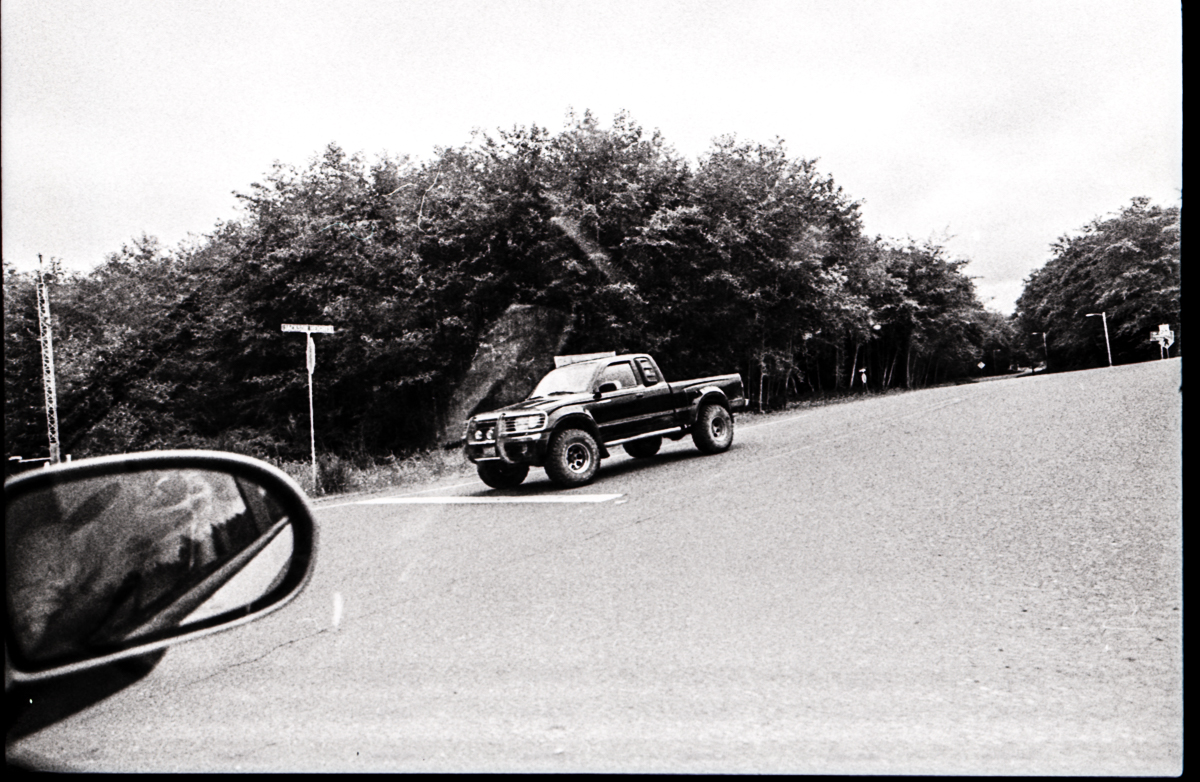
California, July 2016
America will always be a mystical place, with photos just being an additional layer on the pop-image constructed by countless films, songs, movies, tv-shows, news-flashes that form the fabric of what we mistakenly perceive to be the USA.
But there is no inner core to it, nothing we can unwrap and suddenly find the Being of America, it is only layers wrapped in layers of images of places that remain imaginary.
Maybe its different when you live there and the shop on the corner is an actual shop where you can buy stuff instead of a stand-in. But I doubt that:
What then is the Becher-project? Vectors of obscurity and mystification vs. Clarity and Enlightenment
Photography as a vehicle of enlightenment; in the very same moment, it also widens the gaps that enlightenment leaves in its wake: Is there really any revelatory impulse in the endless parade of Gas Tanks? Or is it just a reminder that the world surrounding us will always remain an impenetrable mystery, no matter how hard we look at it?
The dialectic of enlightenment as it manifests in photography; the clearest, most objective way of depicting something only heightens our awareness, that the world will always remain unreadable. While the most mystifying way of showing something often falls flat and reminds us that all we ever know is the obvious.
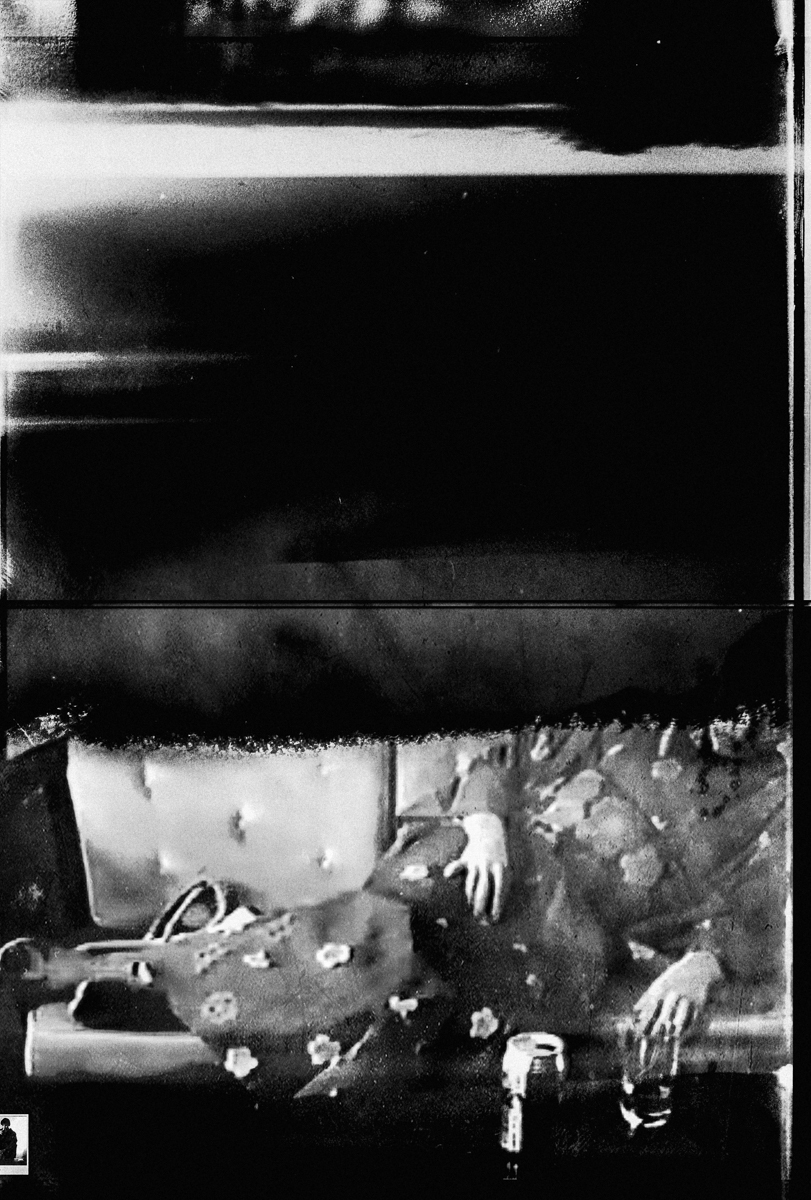
In contrast to common belief, sex does not sell: it is the shifting of desire, that does the selling.
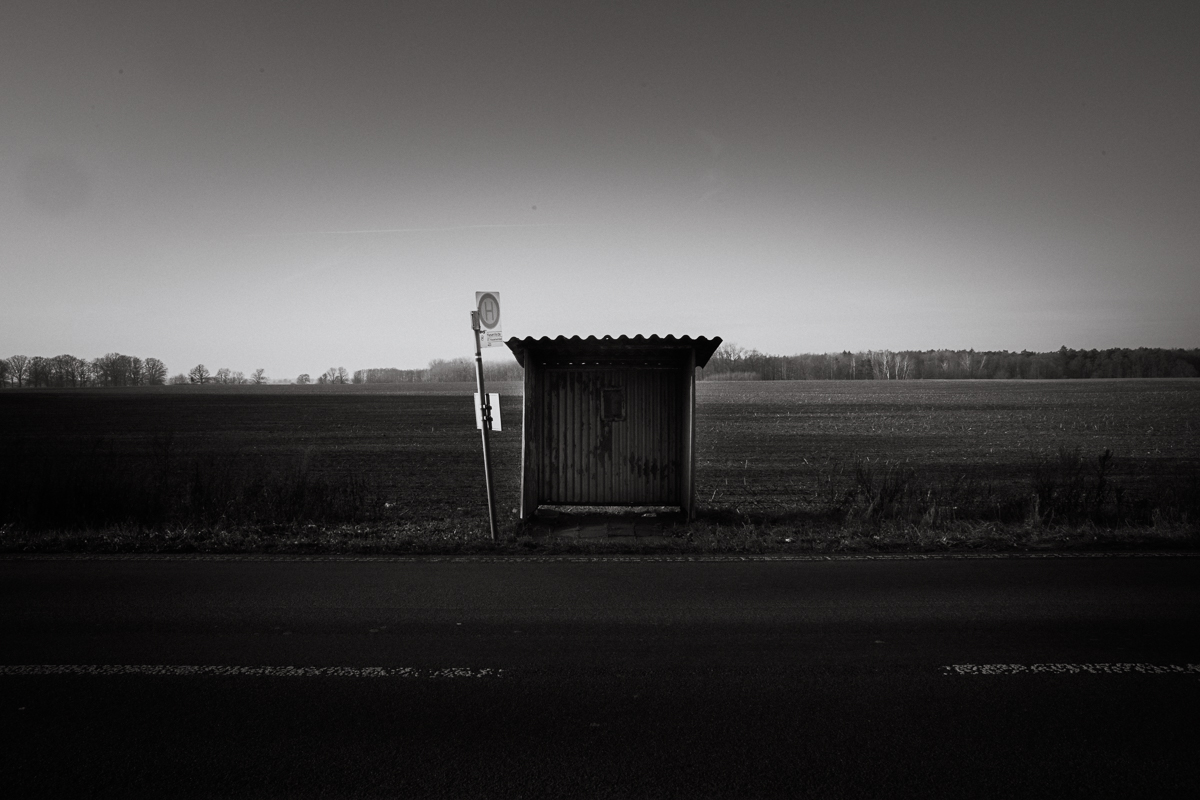
Anomie is our condition, Anomia is our curse, Anomaly is our profession. Or to put it another way: our scabrous individuality consists of trying to name our condition.
–e.m. cioran fall into time
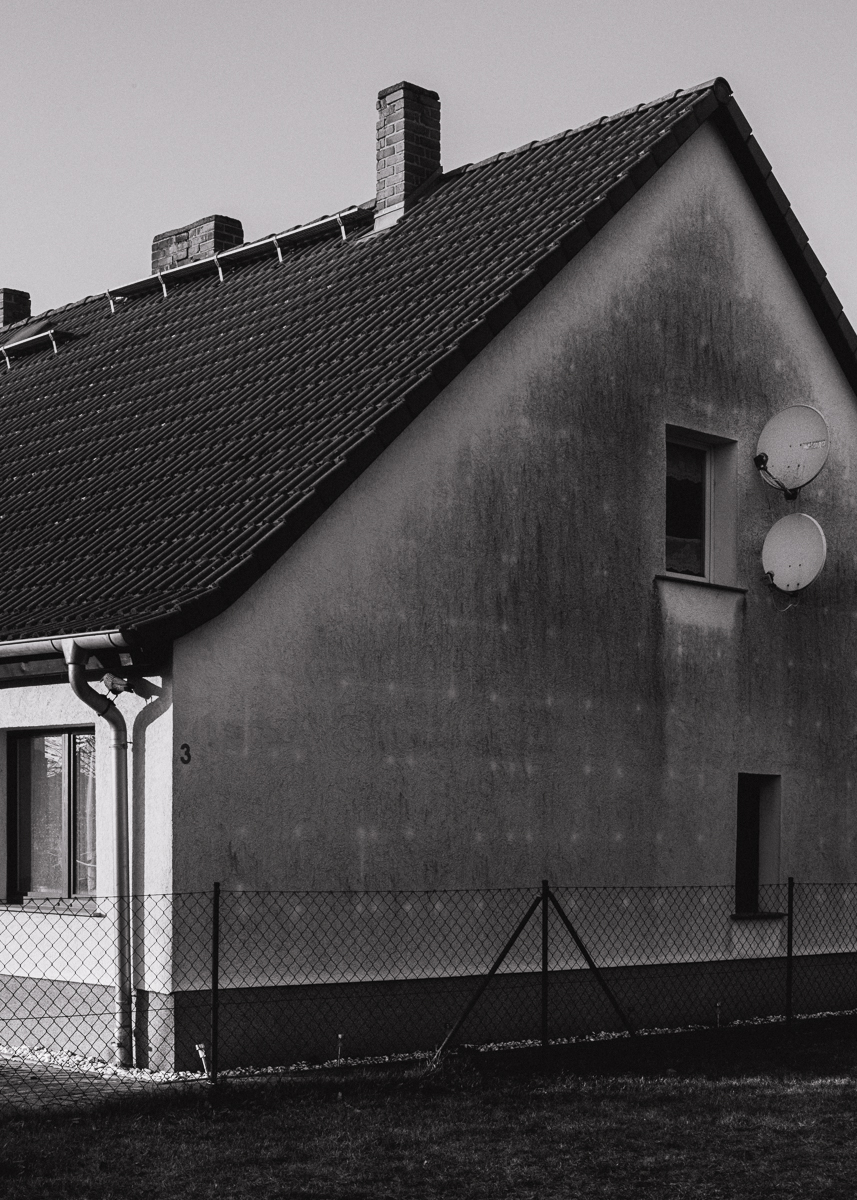
We tell ourselves stories in order to live. The princess is caged in the consulate. The man with the candy will lead the children into the sea. The naked woman on the ledge outside the sixteenth floor is a victim of accidie, or the naked woman is an exhibitionist, and it would be “interesting” to know which. We tell ourselves that it makes some difference wether the naked woman is about to commit a mortal sin or is about to register a political protest or is about to be, the Aristophanic view, snatched back to the human condition by a the fireman in priest’s clothing just visible in the window behind her, the one smiling at the telephoto lens. We look for the sermon in the suicide, for the social or the moral lesson in the murder of five. We interpret what we see, select the most workable of the multiple choices. We live entirely, especially if we are writers, by the imposition of a narrative line upon disparate images, by the “ideas” with which we have learned to freeze the shifting phantasmagoria which is our actual experience.
Or at least we do for a while.
— Joan Didion, The White Album